
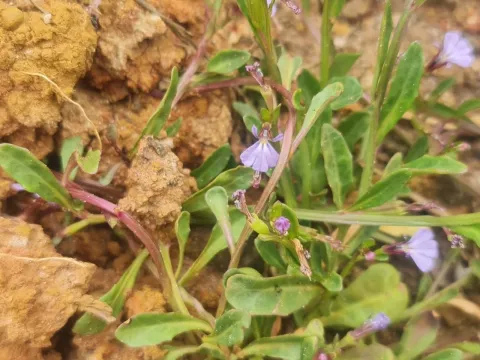
Lobelia anceps
Lobelia anceps
Lobelia anceps is a member of the Campanulaceae family. It is a perennial herbaceous plant often characterized by its creeping habit, making it an excellent ground cover species in suitable environments.
What the section contains
Lobelia anceps
Seeds should be sown in early spring, typically March, to establish a strong seedling base. As the seeds are minute, they are surface-sown onto a moist, fine-textured medium and covered with a plastic cover to maintain high humidity.
Germination requires a stable temperature of approximately 20 to 22 degrees Celsius and consistent light exposure. Proper lighting is essential during the early developmental stage to prevent etiolation of the young sprouts.
Seedlings are pricked out once they develop their first set of true leaves. Transitioning the plants to larger containers encourages a dense root system before they are hardened off for transplanting outdoors.
Vegetative propagation via cuttings is a reliable method for maintaining consistency in plant populations. Cuttings are best taken during the active growing season and placed in a well-draining rooting medium.
The cultivation of Lobelia anceps requires fertile, well-draining soil that retains sufficient moisture. The plant thrives in environments that mimic its natural habitat, which often includes moist, riparian-like settings.
These plants are sun-loving and perform best when exposed to direct sunlight for the majority of the day. In regions with intense heat, partial shade is recommended to prevent leaf scorch and dehydration.
Temperature management is critical; the species prefers moderate climates and is intolerant of frost. Ensuring the soil remains consistently moist is key, although waterlogging must be avoided to prevent root diseases.
Regular fertilization with a balanced, low-nitrogen liquid fertilizer supports healthy leaf development and flowering. Over-fertilization, especially with nitrogen, should be avoided to prevent excessive vegetative growth.
Cultural practices include occasional weeding to reduce competition and the application of organic mulch to regulate soil temperature. Proper spacing during planting ensures good airflow, which is vital for the plant's long-term health.
Fungal diseases, particularly root rot, are the primary threats to Lobelia anceps, often caused by overwatering or poor drainage. Managing soil moisture is the most effective preventative strategy against such pathogens.
Pests such as aphids and spider mites can colonize the foliage during hot, dry spells. Monitoring for signs of infestation is necessary to implement timely biological or chemical control measures if required.
Powdery mildew may develop if plants are grown in overcrowded conditions with stagnant air. Increasing ventilation and ensuring proper distance between plants helps mitigate the spread of this fungal disease.
Gastropods, including snails and slugs, are known to feed on tender new shoots. Using protective barriers or traps can significantly reduce the damage caused by these common garden pests.
Maintaining a clean growing environment and following good sanitary practices are essential to prevent the buildup of soil-borne pathogens. Healthy, well-nourished plants are generally more resistant to environmental stressors.