
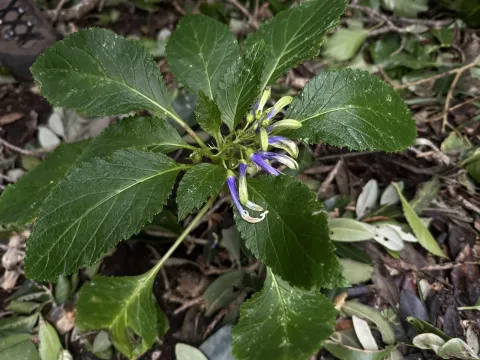
Lobelia physaloides
Lobelia physaloides
Lobelia physaloides, a member of the Campanulaceae family, is a distinct plant species requiring specific care during the propagation phase. Sowing typically begins in late winter, around February or March, to prepare seedlings for the spring season.
What the section contains
Lobelia physaloides
The seeds are minute and should be surface-sown on a moist, fine-textured seed-starting mix. They require light to germinate, so covering them with soil is generally not recommended.
Maintaining a consistent temperature of approximately 20-22°C and high humidity is essential for successful germination. A plastic cover over the seed trays helps in retaining the required moisture.
Once true leaves appear, the seedlings must be pricked out and transplanted into individual pots to provide enough space for root development.
Hardening off the plants is a crucial step before moving them to their permanent outdoor location, which should happen only after the threat of frost has completely passed.
This species thrives in fertile, well-draining soils. A pH level close to neutral or slightly acidic is ideal for optimal nutrient uptake and general health of the plant.
Positioning in the landscape is vital; the plant performs best in locations that offer bright, indirect sunlight, avoiding the scorching heat of direct afternoon exposure.
Consistent soil moisture is a key requirement. While the soil should never become waterlogged, the roots must not be allowed to dry out completely between waterings.
Regular fertilization with a balanced, water-soluble fertilizer helps sustain vigorous growth and promotes abundant foliage throughout the growing season.
Good air circulation is necessary to prevent the microclimate around the foliage from becoming too stagnant, which can negatively impact the overall plant vigor.
Common pests associated with this plant include aphids and spider mites, particularly in environments with low humidity or poor air movement.
Fungal issues, such as root rot and leaf spot, are prevalent when irrigation practices lead to prolonged soil saturation or wetting of the foliage during the evening.
Integrated pest management strategies are recommended, including the use of targeted insecticides for pest control and preventative fungicide treatments for soil health.
Regular inspection of the plants is essential for early detection of potential threats, allowing for prompt intervention before an infestation becomes severe.
Maintaining clean gardening practices, such as removing debris and weeds around the plants, significantly reduces the likelihood of disease and pest outbreaks.