
Lobelia melleri
Lobelia melleri
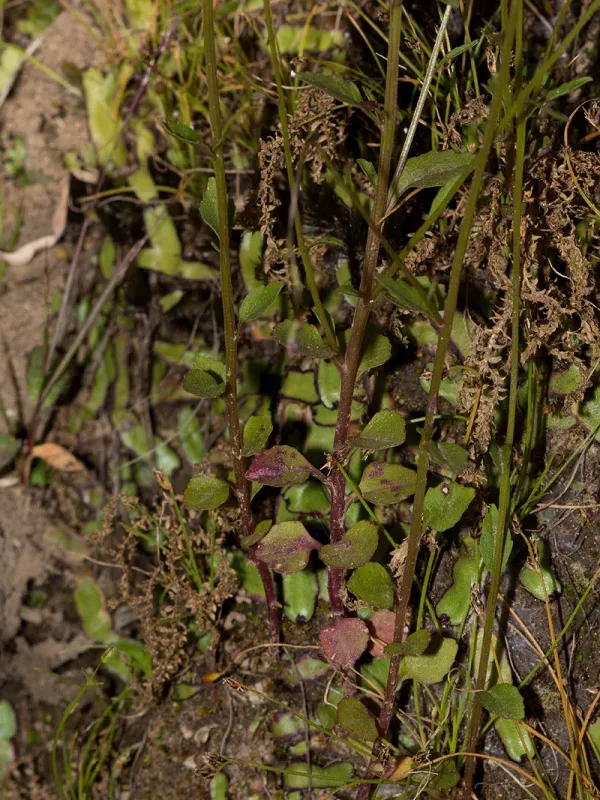
Description
Sowing dates
Sowing Lobelia melleri seeds is primarily conducted in protected ground to produce seedlings, as the development of sprouts is notably slow during the initial vegetative phase.
The optimal timeframe for starting sowing operations is late February or early March, which allows the plant to acquire the necessary vegetative mass before the active light season begins.
The seeds of this culture are extremely small; therefore, they are sown superficially, without covering with soil, or by only lightly pressing them into the substrate to ensure contact with the moist environment.
For successful germination, it is necessary to maintain a stable temperature in the range of 20–22 degrees Celsius and ensure high air humidity under plastic cover.
Seedling transplanting (pricking out) is performed after the appearance of two true leaves, and it is recommended to plant them in separate containers or trays to prevent damage to the root system.
Growing requirements
Lobelia melleri is a member of the Campanulaceae family and prefers areas with good lighting, although it can withstand light shading during the hottest parts of the day.
The crop has high requirements regarding soil quality: it should be loose, fertile, have excellent drainage capacity, and maintain a neutral or slightly acidic pH level.
The moisture regime plays a critical role in the agrotechnics of this species, as the plant is sensitive to both prolonged waterlogging and the drying out of the root ball.
The optimal temperature range for the development of mature plants is between 18 and 25 degrees, and the crop requires regular access to fresh air circulation.
Applying mineral fertilizers is recommended at 14-day intervals during the active growth period, using complex fertilizers with reduced nitrogen content to prevent excessive green mass development.
Main diseases and pests
The most common threats to Lobelia melleri under conditions of excessive humidity are fungal diseases, such as root rot and "damping-off" (black leg) in young seedlings.
Powdery mildew infection may occur in crowded plantings with poor air circulation, which necessitates timely thinning of the plants and the application of fungicides.
Among pests, spider mites represent the greatest danger, as they actively thrive in dry and hot air conditions, damaging the leaf apparatus of the crop.
Aphids can also cause significant damage by sucking sap from young shoots and buds, leading to plant deformation and slowing down their overall growth.
Disease prevention includes strict crop rotation, regular monitoring of soil moisture levels, and the use of preventive insecticidal treatments upon the appearance of the first signs of pests.