
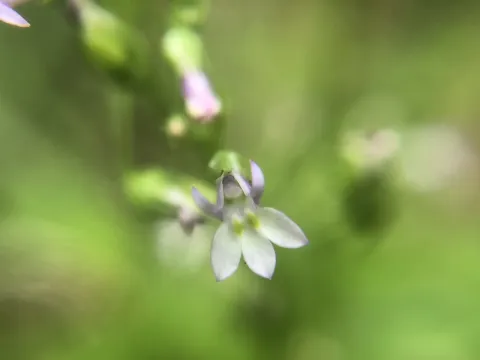
Lobelia cliffortiana
Lobelia cliffortiana
Lobelia cliffortiana is a herbaceous flowering plant belonging to the Campanulaceae family. Propagation is primarily carried out through seeds, which require careful handling due to their extremely small size and specific environmental demands for successful germination.
What the section contains
Lobelia cliffortiana
Sowing should ideally occur in late winter to early spring. The seeds are spread onto the surface of a fine-textured, damp substrate without covering them with soil, as they need exposure to light to trigger the germination process effectively.
Maintaining a constant temperature between 20 and 22 degrees Celsius is crucial during the initial stages. Once germination begins, the seedlings should be moved to a cooler environment to prevent leggy growth and promote a sturdier structure.
Pricking out the seedlings involves moving small clumps into individual cells or small pots. This group-planting technique is favored to ensure that the mature plants develop a full, dense habit that is aesthetically pleasing for landscaping or hanging displays.
Transplanting into the permanent growing site is done only after the risk of frost has completely passed. Acclimatization is essential, meaning the plants must be gradually exposed to outdoor conditions over a week to avoid transplant shock.
This species thrives in sunny locations but can tolerate partial shade, especially in warmer climates where midday intensity might be too harsh. The ideal soil should be rich in organic matter, loose, and possess excellent drainage capabilities.
Water management is the most critical aspect of Lobelia cliffortiana care. The root system must remain consistently moist, as the plant reacts poorly to soil drought, which often leads to wilting and premature senescence of the flower buds.
Fertilization should be handled with care, prioritizing balanced formulas with lower nitrogen levels. Excess nitrogen promotes lush foliage but at the expense of floral production, which is counterproductive for a plant grown specifically for its blooms.
The spacing between individual plants should range from 15 to 20 centimeters. This density is necessary to facilitate airflow within the plant canopy, which prevents the build-up of excess humidity that commonly leads to fungal growth.
If growing in containers, ensure the pots are equipped with adequate drainage holes. Preventing waterlogging is a priority, as stagnant moisture quickly leads to root rot and other physiological issues that affect the plant's overall health.
Spider mites are common pests that target Lobelia cliffortiana, particularly in dry and hot conditions. Regular inspection of the underside of leaves is recommended to detect early signs of infestation, such as fine webbing or yellow stippling.
Aphids can also pose a threat by feeding on the sap of young stems and buds. Control measures involve using appropriate insecticides or natural predators, applied in the early stages of an outbreak to limit the damage to the floral display.
Powdery mildew is a prevalent fungal disease that thrives in high-humidity and low-airflow environments. The symptoms include a white, dust-like coating on the foliage, which can be mitigated by improving ventilation and using protective fungicides.
Root rot is largely associated with overwatering or poorly structured, heavy soil. Symptoms involve wilting despite adequate moisture, followed by stem discoloration. Improving soil structure with perlite or organic matter is a key preventative measure.
Maintaining good hygiene in the growing area, such as removing debris and weeds, is vital to reducing the presence of pathogens. Constant monitoring allows for early intervention, ensuring the longevity and health of the flowering plants throughout the season.