
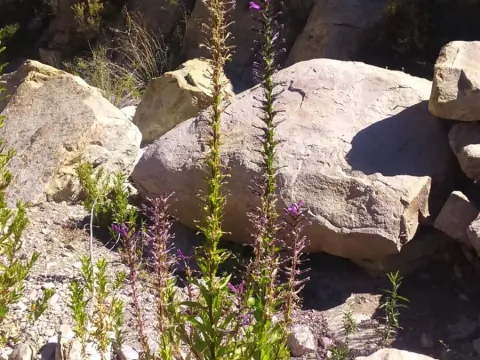
Lobelia decurrens
Lobelia decurrens
Lobelia decurrens is a distinct perennial herbaceous species within the Campanulaceae family. The botanical name refers to the plant's unique leaf structure, where the leaf bases extend down the stem, creating a characteristic decurrent, wing-like appearance along the nodes.
What the section contains
Lobelia decurrens
The species originates from the Andean regions of South America, specifically Chile. It is naturally adapted to cool, moist environments at higher altitudes, which dictates the specific microclimatic requirements needed for successful cultivation in garden settings across the globe.
For optimal growth, Lobelia decurrens requires nutrient-rich, moist, and well-draining soil. While the plant thrives in consistent moisture, it is sensitive to waterlogged conditions, which can lead to root rot. Incorporating organic matter into the soil helps maintain the necessary moisture-retention capacity.
Temperature management is critical for this species. It prefers temperate climates and typically struggles during intense summer heatwaves. Gardeners should provide partial shade during the hottest parts of the day to prevent plant stress and maintain healthy, vibrant foliage and flowering throughout the season.
In terms of land use, Lobelia decurrens is valued as a specialized ornamental plant. It is frequently employed in damp, cool-climate garden beds, near water features, or as part of a curated botanical collection where its unique decurrent foliage and attractive blossoms can be fully appreciated.
The primary pathological threats to this species involve root and crown rot, which are often triggered by stagnant moisture or poor soil aeration. Preventive strategies include regular inspection of the base of the plant and ensuring that the drainage system in containers or garden beds is functioning correctly.
Common insect pests include aphids and mites, particularly when the plants are grown in confined or less-than-ideal airflow conditions. Integrated pest management, including regular inspection and the use of insecticidal soaps or biological controls, is highly recommended to protect the integrity of the plant.