
Lobelia sessilifolia
Lobelia sessilifolia
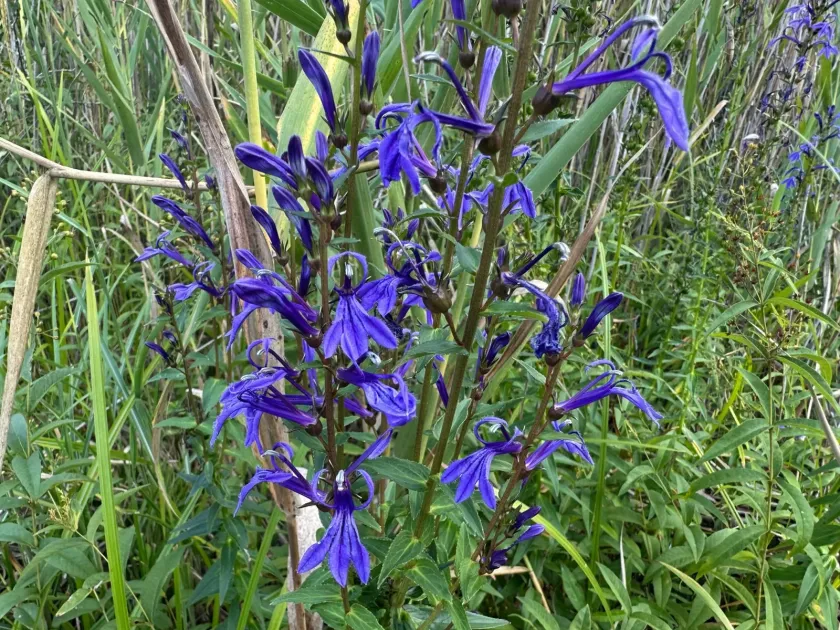
Description
Sowing dates
Lobelia sessilifolia, a member of the Campanulaceae family, is a herbaceous perennial known for its distinctive sessile leaves and elongated flower spikes. It is primarily propagated via seeds due to its genetic stability and adaptation to various temperate environments.
Sowing should take place in early spring, typically indoors in trays to ensure optimal germination rates. The seeds are extremely fine and require light to germinate, so they must be pressed into the surface of the growing medium rather than buried.
Temperature control during the germination phase is critical, with a consistent range of 18–20 degrees Celsius being ideal. Once true leaves develop, seedlings require sufficient airflow to prevent damping-off disease.
Transplanting into the field is recommended once the danger of frost has passed. The plants should be spaced at intervals of at least 25 centimeters to allow for adequate air circulation, which is vital for the health of the species.
Consistent moisture is key during the establishment phase. Growers often use specialized substrates to keep the soil surface evenly moist while providing the necessary mineral nutrition for early development.
Growing requirements
The primary agronomic requirement for Lobelia sessilifolia is a high moisture capacity in the soil. It thrives in loamy, nutrient-rich soils that retain water well without becoming waterlogged.
Regarding climate, the plant performs best in regions with moderate temperatures and sufficient atmospheric humidity. Prolonged exposure to intense heat can induce wilting and significantly reduce the quality of the inflorescences.
The plant demonstrates a preference for full sun to partial shade. In environments with strong solar radiation, providing shade during the hottest part of the day is recommended to prevent leaf scorching and water stress.
Fertilization regimes should prioritize balanced NPK formulations. Regular applications during the vegetative growth phase ensure robust stem development and sustained floral production throughout the season.
Soil management practices such as mulching are highly recommended. Mulch acts as a thermal buffer for the roots and prevents soil moisture evaporation, which is essential for maintaining the plant's health in fluctuating weather conditions.
Main diseases and pests
Fungal diseases, including powdery mildew and Botrytis, are the most frequent threats. These issues typically arise when planting density is too high or when humidity levels remain excessively elevated.
Mollusks, such as slugs and snails, represent a significant threat to young plants, particularly in wet seasons. Implementing integrated pest management, including physical barriers, is an effective strategy for crop protection.
Aphids can cause damage by colonizing tender new growth, leading to stunted development and distorted flowering spikes. Monitoring populations and applying targeted insecticides helps maintain plant vigor.
Root rot is a common symptom of improper drainage. It is imperative to ensure that the site chosen for cultivation possesses adequate permeability to prevent the stagnation of water at the root zone.
Good agricultural practice, including the removal of debris and old plant matter at the end of the season, reduces the risk of overwintering pathogens that could infect the subsequent year's growth.