
Lobelia oligophylla
Lobelia oligophylla
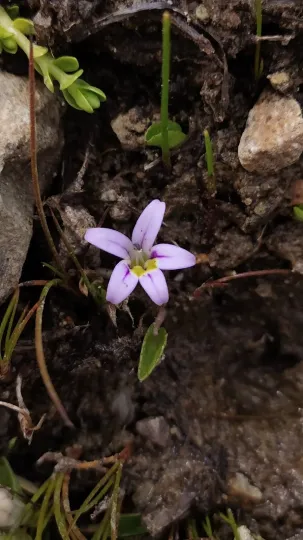
Description
Sowing dates
Lobelia oligophylla is typically propagated via seeds, which are extremely small and require careful handling during the sowing process. Seeds should be sown on the surface of a light, moisture-retentive substrate without being buried, as they require light to germinate effectively.
The sowing window for seedlings usually begins in late winter or early spring to ensure the plants are well-established before being transplanted into the open ground. Proper spacing between seeds is necessary to prevent overcrowding, which can lead to seedling damping-off.
Temperature control is crucial during the early stages of development, with an optimal range of 20–22 degrees Celsius for germination. Once seedlings emerge, the temperature should be slightly reduced to encourage sturdy growth and prevent the plants from becoming leggy.
Pricking out the seedlings into individual containers is an essential step once the first true leaves have developed. This stage promotes the development of a robust root system, which is vital for the plant's long-term health and vigor after transplanting.
Hardening off the plants is a necessary procedure before moving them to their permanent outdoor location. Gradually exposing the seedlings to outdoor conditions over a week or two helps them adapt to temperature fluctuations and sunlight intensity.
Growing requirements
This species thrives in well-lit, sunny positions where it can receive adequate light to support its abundant flowering. While it can tolerate partial shade, insufficient sunlight often leads to weaker stems and reduced blossom production throughout the season.
The soil requirements for this plant include well-draining, fertile, and slightly acidic conditions. It is important to avoid soils that are too rich in organic matter, as excessive nitrogen can prioritize foliage growth over the plant's decorative floral displays.
Consistent soil moisture is essential for Lobelia oligophylla, as its root system is relatively shallow and susceptible to drought stress. Regular watering should be provided, ensuring that the moisture reaches the roots without causing waterlogging in the soil.
Balanced fertilization with low nitrogen content is recommended during the growing period to support continuous blooming. Excess nitrogen often leads to exuberant green growth at the expense of floral development, so mineral fertilizers should be chosen carefully.
Providing a light mulch around the base of the plants can help conserve soil moisture and suppress weed growth. This practice is particularly beneficial during the hotter summer months when the surface soil tends to dry out rapidly under direct sun.
Main diseases and pests
Fungal diseases, including various types of root rot and alternaria, represent a significant threat to the health of the plant, especially in high-humidity environments. Proper air circulation and controlled irrigation are the best preventative measures against these pathogens.
Pests such as aphids and spider mites are known to infest the plant, particularly when the ambient air becomes dry and stagnant. These insects can cause significant damage by feeding on the plant's sap, which weakens the plant and dulls its ornamental appearance.
Chemical control via fungicides is necessary when fungal outbreaks are detected to prevent the spread of the infection. It is advisable to use systemic treatments that offer long-lasting protection against recurring fungal pressures during the growing season.
Insecticide and acaricide applications are the primary method for managing pest populations. Treatment should be performed during the cooler evening hours to prevent leaf scorch and to ensure the chemicals are effectively absorbed by the plant tissues.
Sanitation practices, such as the prompt removal of infected plant debris and weeds, significantly reduce the reservoir for pathogens and pests. Maintaining a clean growing environment is a fundamental strategy for successful cultivation of this species.
Harvesting
Harvesting seeds for future propagation is a precise task due to the minute size of the seed capsules. The harvest should take place on a dry day once the capsules have turned brown, indicating that the seeds have reached full maturity.
After gathering, the seed pods should be dried in a well-ventilated area before extracting the seeds. Once cleaned of debris, the seeds must be stored in airtight containers at low humidity to maintain their viability for the following planting season.
For decorative management, harvesting refers to the deadheading of faded flower spikes to stimulate repeat blooming. This simple horticultural technique keeps the plant looking fresh and encourages the production of new buds throughout the summer months.
At the end of the season, all plant material should be carefully removed from the garden beds. If the plants showed any signs of disease, they should not be added to the compost pile but rather destroyed to prevent the survival of potential pathogens.
Preparing the soil for the next year involves deep cultivation or soil turning after the plants are cleared. This helps to disrupt the life cycles of any soil-borne pests or dormant fungal spores, ensuring a healthier start for future plantings.