
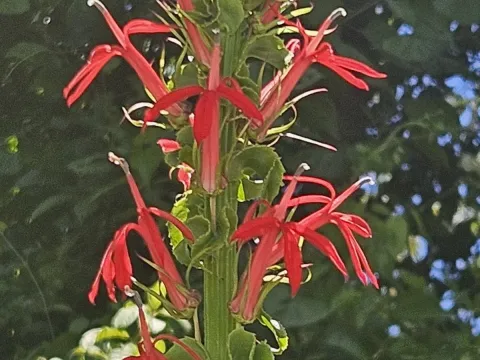
Lobelia splendens
Lobelia splendens
Lobelia splendens, a member of the Campanulaceae family, is a perennial plant often grown as an annual in cooler climates. Propagation is typically achieved through seeds sown in late winter to ensure they reach maturity by early summer.
What the section contains
Lobelia splendens
The seeds are exceptionally small, requiring a fine, moist growing medium. They should be surface-sown and pressed gently into the soil rather than covered, as they require light to germinate effectively.
Temperature control is crucial; the seed trays should be kept in a warm environment (20–22°C) with high humidity. Covering the containers with clear plastic helps create the necessary microclimate for successful sprouting.
Once the seedlings develop two or more sets of true leaves, they should be pricked out into individual pots. This practice promotes strong root development before the final transplanting stage.
Transplanting into the garden or final containers occurs after all danger of frost has passed. Early June is typically the ideal window for established plants to thrive in open outdoor conditions.
This species thrives in sunny locations but can tolerate partial shade in hotter climates. It requires nutrient-rich, moist, and well-draining soil to achieve its signature vibrant blooming potential.
Consistent moisture is the primary requirement for Lobelia splendens. In many cases, it grows well near water edges or in soil that remains constantly damp, as it cannot withstand drying out for extended periods.
Fertilization is recommended throughout the active growing season. A balanced, water-soluble fertilizer applied every few weeks provides the essential nutrients needed for sustained floral production.
Regular maintenance, including the removal of spent flower spikes, encourages the plant to produce a second flush of blooms, effectively extending the decorative season well into the autumn.
The plant benefits from good air circulation, which helps maintain plant vigor. In areas prone to strong winds, staking may be necessary to support the stems and prevent physical damage to the floral display.
Fungal issues, particularly root rot, are common if the plants are situated in waterlogged or poorly ventilated soil. Ensuring proper drainage is the best preventative measure against these infections.
Pests such as aphids can be a major challenge, clustering on the tender new growth. Integrated pest management, including the use of neem oil or insecticidal soaps, is often effective for small infestations.
Spider mites may appear during periods of intense heat and low humidity. Monitoring the plants regularly for fine webbing on the underside of leaves is essential for early detection and control.
Leaf spot diseases can also occur, causing unsightly blemishes on the foliage. Pruning affected leaves and maintaining cleanliness around the base of the plant help reduce the spread of spores.
If the plants are overwintered, they should be kept in a cool, bright place and monitored for potential infestations that might build up in dormant or protected environments.