
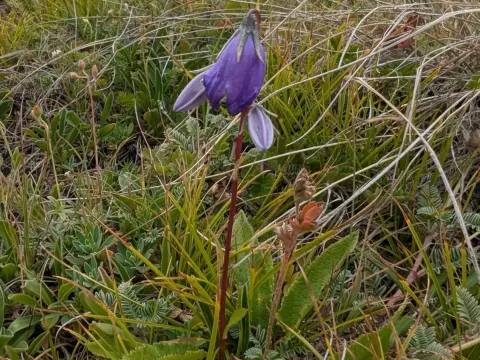
Hill bellflower
Campanula collina
The hill bellflower (Campanula collina) is a perennial herbaceous plant belonging to the Campanulaceae family. It is native to the rocky landscapes and alpine meadows of the Caucasus and Asia Minor, which dictates its preference for well-drained, gritty substrates.
What the section contains
Hill bellflower
This species is highly valued for its striking deep violet-blue, bell-shaped flowers that bloom in early to mid-summer. It grows best in full sun or light shade and is exceptionally hardy in temperate climates, requiring minimal protection during winter months.
Soil requirements for this crop focus on good aeration and moderate fertility. It performs optimally in slightly alkaline or neutral soils; however, it strictly avoids waterlogged conditions, which are the primary cause of crown and root rot in cultivation.
Cultivation practices involve regular weeding to prevent competition for nutrients and moisture. During the active growth season, light application of slow-release fertilizers can help maintain plant vigor and improve flowering density.
Propagation is typically achieved through division of mature clumps during the spring or autumn months. While seed propagation is viable, it often requires a cold stratification period to break dormancy and ensure successful germination.
The main pathological threats to Campanula collina include fungal diseases such as powdery mildew and various types of root rot, especially during periods of high humidity and stagnant air.
Pests like slugs and snails are significant threats to the foliage. These gastropods tend to graze on young growth, causing severe aesthetic damage and weakening the plant's overall vitality.
Aphids can also colonize the plant, particularly in the tender budding tissues. Infestations lead to distorted growth and can potentially transmit plant viruses if left unmanaged over long periods.
Effective management strategies include maintaining proper spacing between plants to encourage airflow and using organic or chemical barriers to protect against mollusk damage.
In case of fungal infection, applying systemic fungicides can help control the spread of spores. Regular monitoring of the garden bed is essential for the early detection and management of any biological threats.