
Heath lobelia
Lobelia urens
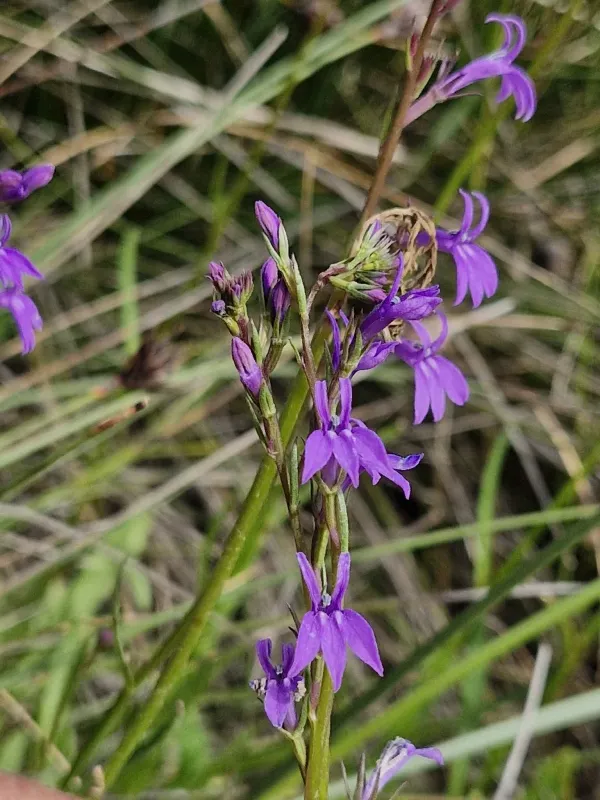
Description
Sowing dates
The heath lobelia (Lobelia urens) is a perennial herbaceous plant classified within the Campanulaceae family. In agricultural and horticultural contexts, seeds are sown in late winter to early spring, typically starting in February.
Due to the extremely small size of the seeds, they are surface-sown on moist, fine-textured substrate. They require exposure to light to germinate effectively and should not be buried under soil.
Maintenance during the germination phase requires keeping the containers covered to ensure constant humidity, while temperatures should be kept between 20 and 22 degrees Celsius.
Once seedlings emerge, they must be moved to cooler conditions (15–18 degrees Celsius) to prevent them from becoming leggy and to promote the development of a robust root system.
Transplanting into open ground occurs once the danger of late spring frost has completely passed and the soil has sufficiently warmed up.
Growing requirements
Lobelia urens thrives in well-lit areas, preferring full sun but showing tolerance to partial shade during intense heat. It requires protection from strong, drying winds.
The soil should be fertile, acidic to neutral in pH, and highly permeable. Proper drainage is essential as the plant is susceptible to root rot if water stagnates for too long.
Regular and moderate irrigation is necessary, particularly during the peak growing season, to prevent the soil from drying out completely, which could stunt plant development.
Agrotechnical maintenance includes frequent weeding to reduce competition for nutrients and regular cultivation of the soil surface to improve oxygen penetration.
Fertilization should be balanced, focusing on promoting floral production. Excessive nitrogen application should be avoided as it encourages vegetative growth at the expense of blooming.
Main diseases and pests
The primary pests affecting this crop include aphids, spider mites, and whiteflies, which can cause significant damage to the foliage and affect the overall vitality of the plant.
Fungal issues such as powdery mildew represent the most significant threat, especially when plants are grown in conditions with poor airflow and excessive ambient humidity.
Root rot is a common issue resulting from overwatering or inadequate soil drainage, often manifesting as sudden wilting despite seemingly moist soil conditions.
Integrated pest management strategies should be applied, including regular monitoring of the plants to identify early infestations and the application of suitable treatments when necessary.
Sanitation practices, such as removing debris and infected plant parts, help reduce the inoculum density of pathogens and decrease the likelihood of disease outbreaks.