
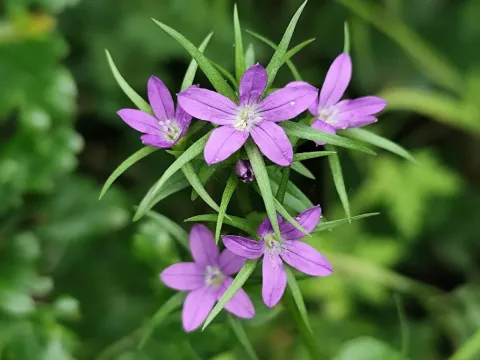
Legousia
Legousia
Sowing Legousia seeds should take place in early spring once the soil has warmed up sufficiently. Seeds are tiny and should be sown shallowly, as they require light for optimal germination.
What the section contains

Legousia
Starting seeds indoors is a common practice to ensure an earlier blooming period. Use a well-draining seed-starting mix and maintain a consistent temperature of around 18-20°C for best results.
When sowing directly into the garden, ensure the seedbed is free of weeds and finely raked. Gently press the seeds into the soil surface without burying them too deep, as light exposure triggers the biological process of germination.
Keep the soil moist but not waterlogged during the germination phase, which typically takes 2 to 3 weeks depending on environmental conditions. Thin out the seedlings once they develop a few sets of true leaves.
Proper spacing is crucial to prevent overcrowding, which can lead to poor air circulation and increased vulnerability to fungal diseases as the plants mature.
Legousia belongs to the Campanulaceae family and thrives in sunny, open locations. It requires full sunlight to produce the most vibrant and abundant blooms throughout the season.
The plant prefers well-draining, slightly alkaline to neutral soil. Improving heavy clay soils with organic matter or sand is highly recommended to ensure root health and prevent saturation.
Although the plant is somewhat drought-tolerant once established, supplemental watering during hot, dry spells will keep the foliage healthy and promote prolonged flowering.
Avoid excessive fertilization with nitrogen, as this encourages lush leafy growth while significantly reducing the number of flowers produced by the plant.
Routine maintenance includes keeping the soil around the base of the plant free of weeds, which compete for essential water and mineral nutrients.
Powdery mildew is the most prevalent disease, especially in humid or poorly ventilated areas. Regular inspection of the foliage is necessary to catch early signs of infection.
Root rot is often the result of poor drainage or overwatering. Maintaining a porous soil structure is the best preventive measure against this common fungal issue.
Aphids and spider mites are typical pests that infest the tender tips of the plant. Biological controls or mild insecticidal soaps are usually sufficient to manage these infestations.
Slugs and snails can cause significant damage to young seedlings. Using bait or physical barriers can help protect the plants during their most vulnerable stage of development.
Implementing a proper crop rotation strategy helps minimize the accumulation of soil-borne pathogens, ensuring the health of subsequent plant generations in the same area.
Harvesting seeds requires waiting until the seed pods are completely dry and brown. Carefully collect the pods to prevent them from shattering and dropping seeds prematurely.
Thoroughly dry the harvested pods in a cool, well-ventilated space before threshing them to separate the seeds from the chaff. Store the clean seeds in breathable paper envelopes.
Deadheading faded flowers is a standard practice to extend the blooming season and prevent the plant from wasting energy on seed production when flowers are still desired.
For those interested in seed saving, allow a few of the most vigorous plants to fully mature their seeds at the end of the season while removing others to prolong the decorative display.
The plant itself is not typically used for agricultural forage, but its ecological role as a nectar source for pollinators adds value to biodiversity in garden settings.