
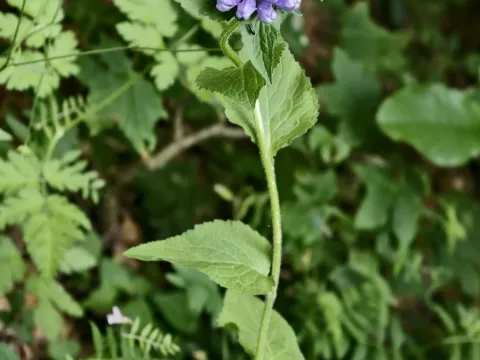
Leafy bellflower
Campanula foliosa
The seeding of Campanula foliosa is primarily carried out using seeds. In outdoor conditions, seeds are sown before winter, which provides the natural stratification necessary for high germination rates of the crop.
What the section contains
Leafy bellflower
Spring sowing requires preliminary seed preparation, as the seeds are extremely small. They are only slightly covered with substrate or sand, ensuring access to light, which is crucial for successful germination.
When using a seedling method, sowing is carried out in March in a light, nutrient-rich soil. Containers are covered with plastic wrap or glass to maintain stable humidity until the first seedlings emerge.
Seedling picking is performed at the stage of forming the second pair of true leaves. The plants are transplanted into individual pots or crates with increased spacing to ensure full root system development.
Transplanting seedlings to open ground is done at the end of May, once the threat of night frosts has passed, allowing the young plants to adapt to the site conditions before the summer heat.
The leafy bellflower prefers well-lit areas with light shading during the afternoon. Excess direct sunlight can lead to soil drying, which inhibits the plant's overall development.
The crop has moderate requirements regarding soil conditions. The best choice is neutral or slightly alkaline loams that possess good drainage properties to prevent moisture stagnation near the root collar.
Watering should be regular, especially during the active growth and flowering phases. It is important to avoid overwatering the root zone, as this often triggers root rot and other fungal diseases.
The plant responds well to the application of mineral fertilizers during the budding period. It is recommended to use formulas with high phosphorus and potassium content to promote the formation of strong flower stalks.
In regions with harsh winters, the leafy bellflower needs light mulching with peat or dry leaves. This protects the basal rosette from freezing during periods with insufficient snow cover.
The main threat to the health of the leafy bellflower is excessive soil moisture. This condition promotes the development of root rots, which can lead to the rapid death of the entire plant during the summer.
Among pests, slugs and snails pose the greatest danger as they damage leaf blades and young buds. It is recommended to use barrier protection methods or specialized biological control agents.
In dense plantings with poor ventilation, the plant may be susceptible to powdery mildew. Prevention involves following an optimal planting scheme that ensures free air circulation between individual specimens.
Aphids can settle on the tops of flower stalks, sucking sap and deforming the buds. If insects are detected, spraying with systemic insecticides or soap solutions is an effective measure.
Fusarium wilt can also affect this crop if agricultural practices are neglected. Removing infected specimens with a soil ball and treating the area with fungicides are mandatory steps when a disease is identified.
The economic use of the leafy bellflower is associated with landscape decoration and flower cutting. Stems are cut at the beginning of bud opening, which allows extending their vase life to up to two weeks.
To maintain the decorative appearance of the flowerbed, faded inflorescences should be regularly removed. This stimulates a second wave of flowering and prevents unwanted self-seeding, which could cause overcrowding.
Seed harvesting is conducted at the end of summer when the capsules begin to turn brown and dry out. They should be gathered before they burst naturally to avoid losing the planting material in the garden.
After full maturation, the seeds are cleaned of plant debris and dried in a well-ventilated room. Properly dried seeds maintain germination viability for two to three years if stored in paper bags.
Winter preparation involves pruning the aerial part of the plant down to the level of the basal rosette. This procedure is performed in late autumn, helping the tissues mature properly and increasing the crop's winter hardiness.