
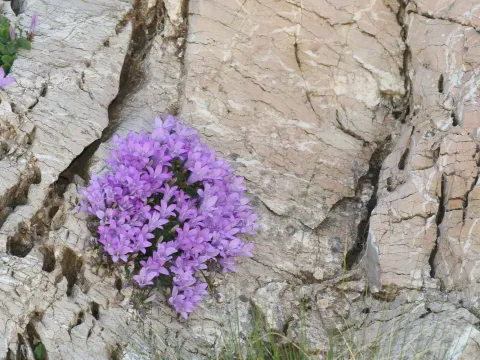
Greek rock bellflower
Campanula rupicola
Sowing seeds of Campanula rupicola should ideally take place in late winter or early spring in a seed tray. The seeds are extremely fine, so they should be sown on the surface of the growing medium without covering them, as they require light to germinate effectively.
What the section contains
Greek rock bellflower
Prior to sowing, it is highly recommended to stratify the seeds at low temperatures for 4 to 6 weeks. This mimics the natural winter cycle, which is essential to break dormancy and ensure uniform germination within a few weeks of moving to a warmer environment.
When transplanting seedlings into the rock garden, maintain a spacing of approximately 20–25 cm. Proper ventilation is vital for this species, as crowded planting increases the humidity around the crown, leading to potential issues with fungal infections.
The best time to move young plants outdoors is late May, once the risk of severe night frosts has passed. Choosing a site with full sun exposure and excellent natural drainage is the most critical step for long-term survival in an outdoor setting.
Vegetative propagation via division is also possible for established clumps. This is best done in early spring or after the main flowering season, ensuring the roots remain cool and moist during the transition period until re-establishment occurs.
As a native of Greek mountainous regions, the Greek rock bellflower is adapted to specialized limestone or rocky soils. It thrives in poor, gritty substrates that offer a neutral to slightly alkaline pH level, mimicking its natural habitat.
The most important requirement is sharp drainage. The plant is notoriously sensitive to "wet feet," meaning it will quickly succumb to root rot if the soil remains waterlogged, especially during the dormant winter period.
Campanula rupicola is a sun-loving plant that demands a bright location to maintain its compact, cushion-like habit. In shady conditions, the stems tend to stretch excessively, losing their aesthetic appeal and vigor, which often leads to reduced flower production.
Once established, the species is remarkably drought-tolerant, making it an excellent choice for rockeries and crevices. Watering should be infrequent, focusing only on preventing the roots from drying out completely during extreme heatwaves.
Fertilizer use should be minimal. Because this is a high-altitude plant, over-fertilizing with nitrogenous nutrients causes weak, succulent growth that is susceptible to pests and damage, compromising the natural hardiness of the plant.
Root and crown rot are the primary threats to the Greek rock bellflower, almost always caused by improper drainage or excessive soil moisture. These conditions are most lethal during winter when the plant is in its resting phase.
Slugs and snails are major pests that can devour fresh spring foliage and budding flowers overnight. Using physical barriers, such as copper tape or crushed volcanic rock, around the plant base is a common and effective deterrent for rock garden enthusiasts.
Fungal leaf spots and powdery mildew can occur if the airflow around the plants is insufficient. Proper pruning of dead foliage and ensuring the site is open to natural breezes are the most effective non-chemical ways to manage these issues.
Poor soil hygiene, such as leaving decaying leaf matter or weeds near the plant, can harbor pathogens that lead to sudden collapse. Maintaining a clean, grit-covered surface is an essential aspect of good rock garden management.
If chemical interventions are necessary, systemic fungicides must be used with caution, adhering strictly to dosage instructions to avoid burning the delicate leaves of the plant or damaging beneficial soil organisms.