
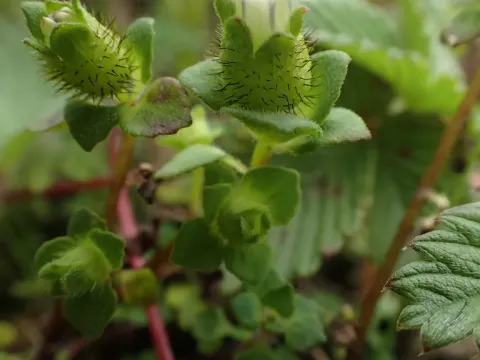
Cyananthus
Cyananthus
Sowing Cyananthus seeds requires careful attention due to their minute size. They are typically sown on the surface of a well-draining, sterile seed starting mix, as light is often essential for successful germination in many species of this genus.
What the section contains
Cyananthus
Cold stratification is a standard pre-sowing treatment for Cyananthus seeds, mimicking natural winter conditions. This process helps to break dormancy and ensures a more uniform germination rate when the temperatures begin to rise in spring.
Seedlings develop slowly, requiring patience during the first months of growth. It is critical to maintain a stable, moist environment for the developing plants without letting the growing medium become waterlogged or completely dry out.
Cuttings can be taken during the active growing season, usually in early summer, to propagate specific forms or varieties. These cuttings are rooted in a mixture of perlite and peat, often under a plastic cover to maintain high relative humidity.
Division of mature clumps is best performed in early spring as new growth starts to emerge. Careful separation ensures that each section retains enough root mass to recover quickly, providing the plant with the best chance to establish in its new location.
Cyananthus belongs to the Campanulaceae family and is native to the mountainous regions of Asia, including the Himalayas. In garden settings, these plants demand excellent drainage to survive, as they are naturally accustomed to rocky, gravelly substrates.
A soil mixture consisting of leaf mold, gritty sand, and small stones is ideal for simulating their native high-altitude environment. The substrate should be slightly acidic to neutral, ensuring that nutrients are available without promoting excessive rank growth.
These plants are sun-loving and require bright, direct light for several hours a day to produce their signature bell-shaped flowers. In areas with intense heat, they may benefit from some afternoon shade to protect them from excessive thermal stress.
Watering must be handled with precision: the soil should remain moist but never saturated. In nature, Cyananthus species are adapted to shifting moisture, but stagnant water around the crown is often lethal and leads to rapid decay.
Winter hardiness is excellent for most species, but they are vulnerable to the wet, cold conditions often found in lowland climates. Protecting the crown with a layer of grit or sharp sand helps shed excess moisture away from the stems during winter.
Root rot is the most significant threat to Cyananthus, predominantly caused by poor drainage and excessive moisture retention in the soil. Once crown or root rot begins, it is often difficult to save the affected plant, making prevention via drainage essential.
Slugs and snails are major pests that can devour young shoots and buds during wet weather. Utilizing physical barriers such as copper tape or applying organic molluscicides around the base of the plant is standard practice to protect the foliage.
Aphids may infest the plant during the growing season, particularly on soft, new growth. They cause stunted leaf development and can transmit viral infections, requiring the use of insecticidal soaps or systemic treatments if the infestation is severe.
Spider mites are frequently encountered in dry, hot conditions, attacking the undersides of the leaves. Regular misting and keeping the plants in a well-ventilated area help to discourage mite colonization, though acaricides may be needed for outbreaks.
Good air circulation is the best preventive measure against various fungal pathogens. By avoiding overhead irrigation and ensuring that the plant is not crowded by other species, gardeners can significantly reduce the risk of disease in their Cyananthus collection.