
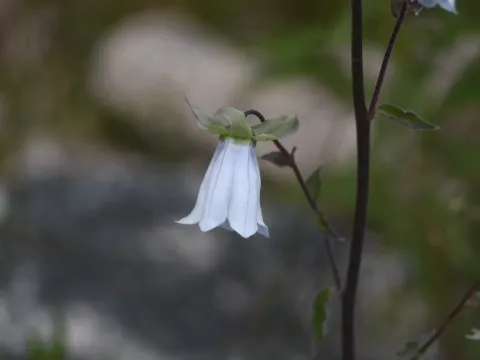
Codonopsis
Codonopsis
Sowing Codonopsis is typically performed in early spring, once the soil has warmed sufficiently. The seeds are extremely small, requiring surface sowing with minimal cover, as deep burial can prevent emergence and lead to failure of the crop stand.
What the section contains


Codonopsis
For container-grown seedlings, start seeds indoors in March using a light, well-draining peat-based mix. Maintain a consistent moisture level and provide gentle ventilation to prevent dampening-off, which is a common challenge with small-seeded medicinal crops.
When direct seeding in the field, mix the seeds with dry sand or fine grit to ensure even distribution across the planting rows. Lightly press them into the surface rather than burying them, and cover with a very thin layer of fine compost or vermiculite.
Cold stratification is highly recommended for many Codonopsis species to break dormancy and ensure uniform germination. Keep seeds in a cool environment, near 2–5 degrees Celsius, for several weeks before sowing to significantly improve emergence rates.
After germination, seedlings grow slowly. Protect them from harsh sunlight and drying winds by providing partial shade and maintaining a high humidity environment until the plants have developed their first true leaves and a stronger root system.
Codonopsis thrives in loose, deep, sandy loam soils that offer excellent drainage. The plant is sensitive to waterlogged conditions, so selecting well-draining sites or constructing raised beds is essential to prevent root rot in heavy soil environments.
Optimal light exposure involves full morning sun with afternoon shade, especially in warmer climates. Sufficient light is necessary for the plant's metabolic processes and the development of the secondary metabolites that make the roots medicinally valuable.
Moisture requirements are moderate but steady. The soil should be kept consistently moist during the first year of growth, as the young plants are vulnerable to drought. Once established, they can handle brief dry spells, though consistent moisture leads to better root yield.
The plant performs best in slightly acidic to neutral soil pH levels. Organic matter, such as well-rotted leaf mold or compost, should be incorporated into the soil during the pre-planting phase to improve soil structure and nutrient availability.
Temperature management is key for northern regions, where winter hardiness must be considered. While most species are resilient, a layer of winter mulch can protect the root system from freezing and thawing cycles that might otherwise cause physical damage to the crown.
The yield of Codonopsis is primarily measured by the biomass of the harvested roots. Typically, the roots are ready for harvest after 3 to 4 years of growth, as this duration allows for the accumulation of active phytochemical compounds such as saponins.
Industrial yields vary depending on spacing and soil fertility. A well-managed plantation can yield between 1.5 to 3 metric tons of dried roots per hectare. Precision in spacing ensures that each plant has enough room to develop a high-quality, singular taproot.
Biological factors significantly influence yield, particularly the plant's natural tendency to focus energy on flower and seed production. Professional growers may remove flower buds in early stages to force the plant to redirect its energy toward root development.
The size and shape of the root, which often resembles the morphology of ginseng, are critical for market grading. Large, thick, and smooth roots without damage command the highest prices in the herbal trade and pharmaceutical markets.
Monitoring growth patterns during the second and third years allows farmers to estimate the final harvest volume. Effective weed control and proper irrigation are the most significant variables in maintaining a high-yield, high-quality production cycle.
Root rot is the most significant threat to Codonopsis, often caused by the pathogens Fusarium or Rhizoctonia in wet or poorly aerated soils. Preventive strategies, including proper site selection and drainage, are the best defense against these diseases.
Slugs and snails can cause considerable damage to young seedlings and emerging leaves, particularly in humid or rainy spring weather. Physical barriers or biological control methods are often employed to protect the early stages of plant development.
Aphids occasionally infest the plant's aerial parts during the peak of the growing season. While they rarely cause death, heavy infestations can lead to stunted growth and provide an entry point for viral pathogens, requiring monitoring and timely intervention.
Wireworms and other soil-dwelling larvae can penetrate the roots, leading to quality degradation. These pests are often managed through crop rotation, avoiding areas where grass or cereals were previously grown, and using specific soil treatments if necessary.
Sanitation practices, such as removing diseased plants and limiting weed competition, are essential to minimize the risk of pest and disease spread. A healthy, vigorous plant is naturally more resistant to the diverse challenges found in field cultivation.
Harvesting usually occurs in late autumn, once the foliage begins to yellow and wither naturally. This timing indicates that the plant has ceased its above-ground growth and is storing all available energy in the roots for winter dormancy.
Roots are harvested using mechanical harvesters or heavy forks to ensure deep extraction without breaking the valuable root tips. Care must be taken to remove roots gently, minimizing bruising or fracturing, which reduces shelf life and marketability.
Once harvested, roots are washed in cold, clean water to remove soil and debris. Excess side roots or damaged parts are trimmed away. The cleaned roots are then sorted by thickness to ensure even drying throughout the curing process.
The curing and drying process is vital. Roots are spread out in well-ventilated, shaded areas or in controlled-temperature drying ovens set at 50–60 degrees Celsius. Rapid drying prevents discoloration and maintains the concentration of therapeutic compounds.
Proper storage is the final step in the harvest cycle. Dried roots should be stored in cool, dry, and dark conditions, protected from moisture and pests. Under optimal conditions, the dried product remains stable for up to two years, ready for processing or market.