
Dalmatian Edraianthus
Edraianthus dalmaticus
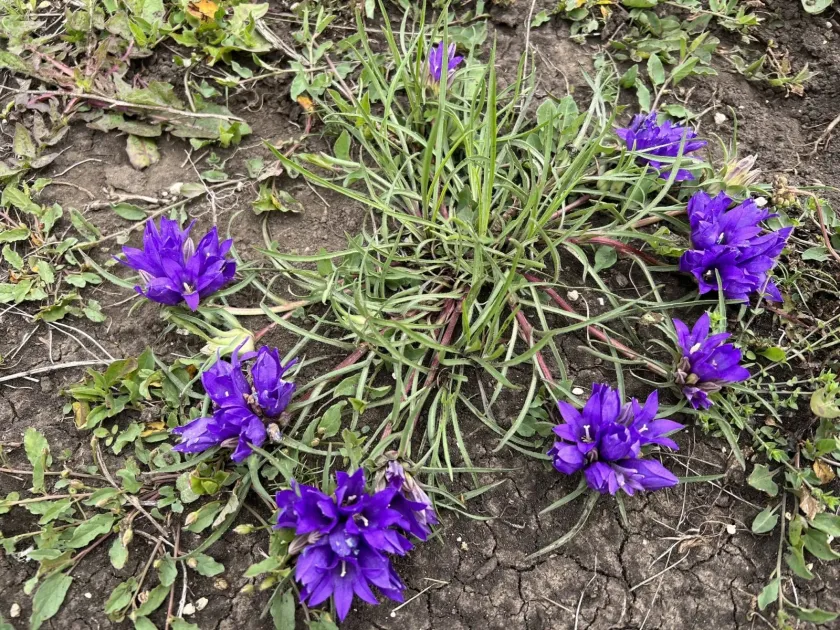
Description
Sowing dates
Edraianthus dalmaticus, a member of the Campanulaceae family, is typically propagated from seeds that require cold stratification to break dormancy effectively.
For best results, seeds should be sown in autumn to allow for natural winter chilling, or manually stratified in a refrigerator for at least six weeks before spring sowing.
The substrate must be extremely well-draining, consisting of a mix of sand, grit, and low-nutrient loam to simulate the plant's native rocky habitat.
Seeds are surface-sown or lightly covered with a fine layer of grit; they require moderate moisture but must not be kept waterlogged to prevent damping off.
Seedlings should be kept in a bright, cool environment and transplanted to their permanent rock garden position once they are large enough to handle without damage to their delicate root systems.
Growing requirements
As a plant native to the rocky landscapes of the Balkans, the Dalmatian Edraianthus thrives in harsh, nutrient-poor conditions where other plants struggle.
Full sun is essential for this species to maintain its dense, cushion-like habit; lack of light will inevitably lead to leggy, weak growth and poor floral displays.
The soil pH should ideally be neutral or slightly alkaline, reflecting the limestone origins of the species, and must provide superior drainage at all times.
Agronomic management is low-maintenance, as the plant is adapted to drought and requires supplemental irrigation only during prolonged, extreme dry spells.
Avoid excessive fertilization, as high nitrogen levels encourage rapid growth that reduces the plant's natural frost hardiness and compact structure.
Main diseases and pests
Root rot, driven by stagnant moisture in the root zone, is the most critical threat to the long-term survival of Edraianthus dalmaticus in cultivation.
Slugs and snails can cause significant damage to the fleshy foliage, especially during spring and early autumn when humidity levels are higher.
Fungal infections, such as grey mould, can occur if there is inadequate air circulation around the plants, particularly in areas with high summer humidity.
Spider mites might occasionally infest the plants if they are kept in overly dry, stagnant conditions for extended periods during the growing season.
Preventative measures include placing coarse gravel or stone mulch around the collar of the plant to keep the foliage off damp soil and promote drainage.