
Cyananthus lobatus
Cyananthus lobatus
Description
Growing requirements
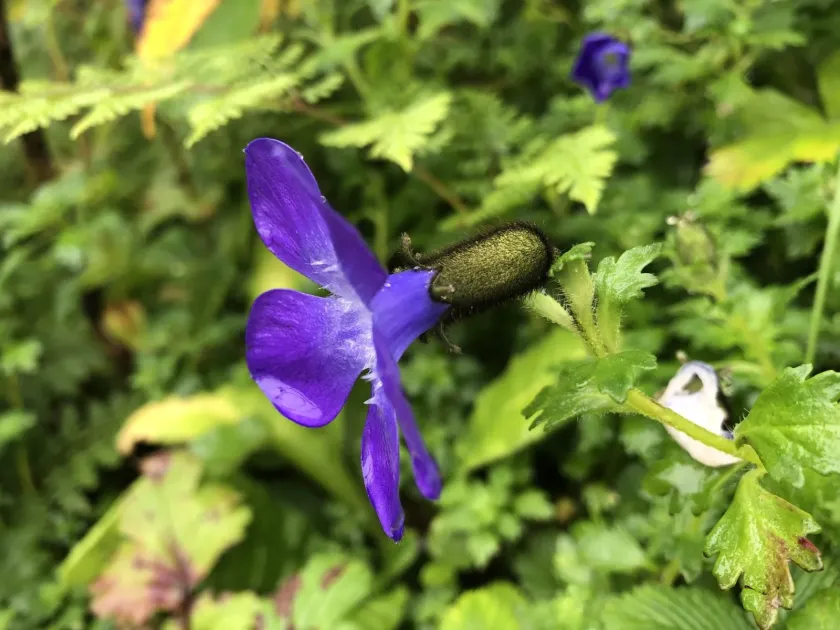
Cyananthus lobatus is a charming, trailing perennial belonging to the family Campanulaceae. Originally native to the high-altitude regions of the Himalayas, it is highly valued by rock garden enthusiasts for its unique, bell-shaped violet-blue flowers.
This plant thrives in cool, alpine-like conditions. It requires a sunny location, but in regions with harsh summer heat, partial afternoon shade is essential to protect the delicate foliage from scorching and to maintain the necessary soil moisture levels.
The soil must be well-draining, gritty, and slightly acidic to neutral. Heavy soils that retain water are detrimental to the plant, often leading to rapid root rot during winter dormancy. Amending the planting site with plenty of grit or pumice is a standard practice.
Watering should be consistent during the growing season. The plant prefers a moist but never waterlogged root environment. It is crucial to ensure that the crown of the plant stays dry, which is best achieved by top-dressing with a layer of fine gravel or slate chips.
Propagation is primarily done via seeds or cuttings taken in late spring. Once established, Cyananthus lobatus should be left undisturbed, as it dislikes root disruption. It is a slow-growing species that rewards patience with dense, flowering carpets.
Main diseases and pests
Root rot and crown rot represent the most significant threats to Cyananthus lobatus. These conditions are typically triggered by poor drainage or excessive humidity around the root zone, particularly during the transition from winter to spring.
Slugs and snails can be highly destructive, especially to young, emerging growth in the early spring. Monitoring for these pests and implementing physical barriers or organic deterrents is recommended to preserve the integrity of the foliage.
In hot and dry summers, the plant may occasionally suffer from spider mite infestations. Keeping the plant properly hydrated and ensuring good air circulation helps to prevent these pests from settling on the leaves.
Fungal pathogens such as mildew can appear if the plant is grown in overly crowded or stagnant conditions. Regular inspection and removing dead foliage help improve airflow and reduce the likelihood of infection.
To maintain health, avoid overhead watering, which can trap moisture around the stems and promote rot. If signs of distress appear, assess the soil moisture immediately and adjust drainage if necessary.