
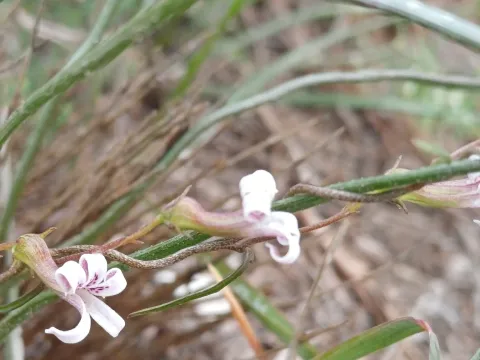
Cyphia
Cyphia
Sowing Cyphia in its natural habitat occurs following the onset of the rainy season, which provides the necessary moisture for seed germination. In cultivation, seeds should be sown in well-draining substrate, ensuring they are not buried too deeply.
What the section contains

Cyphia
The optimal temperature for germinating seeds of this Campanulaceae family member is between 18 and 22 degrees Celsius. Maintaining stable moisture levels is crucial, as waterlogged soil can lead to the decay of delicate seedlings.
When using tubers for propagation, they should be planted during the dormancy period, which typically aligns with the dry season. Adequate soil aeration is essential to prevent rot during the early stages of root establishment.
Cyphia seeds possess low initial germination energy, necessitating pre-sowing treatments such as stratification. This method helps the plant adapt to changing environmental conditions, resulting in more uniform seedling emergence.
It is important to maintain spatial isolation when cultivating different Cyphia species to preserve genetic purity. Thinning of seedlings should be conducted once the plants reach the stage of two or three true leaves.
Cyphia prefers open, well-lit locations with light, sandy, or rocky soils. The crop is highly sensitive to water stagnation, making the presence of an efficient drainage system a mandatory requirement for success.
A neutral to slightly acidic soil reaction is ideal for the normal development of the plant. Fertilization should be managed carefully, as excessive nitrogen promotes rapid vegetative growth at the expense of tuber formation.
The temperature regime for Cyphia must be moderate. It cannot withstand prolonged frost, so in regions with cold climates, it requires greenhouse cultivation or protective structures with a regulated microclimate.
High intensity of natural light is a key environmental factor for this species. In conditions of insufficient lighting, the stems tend to stretch, resulting in a loss of decorative quality and structural integrity.
During the active growing season, the plant requires regular irrigation; however, during the biological dormancy phase, watering should be ceased entirely to mimic its natural lifecycle adaptations.
The economic value of Cyphia lies primarily in its starchy tubers, which are consumed as food in its native range. Yield depends significantly on the age of the plant and the quality of the soil medium.
Harvesting of tubers usually occurs in the second or third year of the plant's life, once they have reached marketable size. The prolonged vegetation period is a direct result of biological rhythms adapted to arid survival.
While the vegetative biomass is not the primary target of harvest, it may serve as supplemental fodder in extensive farming systems. Biomass yield is generally variable and dependent on climatic fluctuations.
Seed productivity in Cyphia is moderate, making large-scale seed-based propagation difficult. Tuber division is the preferred method for achieving consistent yields and high-quality planting material.
Future improvements in yield are linked to selective breeding programs aimed at enhancing the culinary characteristics of the tubers and adapting the species to a wider range of diverse environmental conditions.
Root rots represent the primary threat to the crop, often triggered by poor drainage or excessive soil moisture. Fungal pathogens can rapidly infect the tubers, potentially leading to the loss of an entire planting batch.
Soil-dwelling insect larvae pose a significant risk as they damage the subterranean parts of the plant. Pre-planting soil disinfection is a recommended preventive measure for integrated pest management.
Aphids and spider mites may attack the aerial parts of the plant, especially in greenhouse conditions with poor ventilation. Biological control agents are preferred over heavy chemical interventions to maintain plant health.
Viral diseases manifest through leaf deformation and stunted growth. Infected specimens must be promptly removed and destroyed to prevent the spread of the virus to healthy plants within the crop.
Weeds present a major competitive challenge during early growth stages, as Cyphia seedlings develop slowly. Regular weeding and the application of mulch in the rows are critical for minimizing plant stress.
Harvesting Cyphia tubers takes place after the complete senescence of the aerial parts, which indicates the onset of the plant's dormant phase. Mechanical harvest requires precision to avoid physical damage to the fragile tubers.
After excavation, the tubers should be cleaned of soil and dried in a ventilated, shaded area. This curing process prevents post-harvest decay and ensures the longevity of the produce during storage.
Seed collection should be performed at the moment of maturity of the seed capsules, before they spontaneously open and disperse their contents. Timing is crucial to maximize the recovery of planting material.
Storage of the harvested material requires low positive temperatures and stable humidity levels. Significant fluctuations in storage conditions can negatively impact seed viability and the overall health of the dormant tubers.
Proper sorting during harvest allows for the selection of the healthiest and largest specimens, which serves to maintain the vigor and quality of the population for future production cycles.