
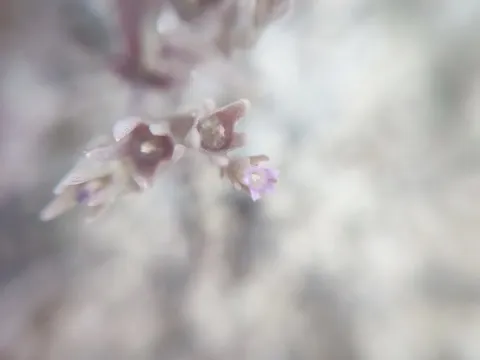
Clustered bellflower
Campanula fastigiata
The clustered bellflower (Campanula fastigiata) belongs to the Campanulaceae family and is recognized as an annual herbaceous plant. It originates from the Mediterranean basin, where it thrives in warm and dry environments.
What the section contains
Clustered bellflower
This crop requires well-draining, neutral or slightly alkaline soils to perform at its best. Heavy, compacted soils are unsuitable as they hinder root development and promote fungal infections due to waterlogging.
The plant is highly heliophilic, meaning it demands full sun exposure to maintain its compact growth habit and produce abundant flowers. Partial shade often leads to stunted growth and reduced blooming.
Climatic requirements are specific to regions with warm summers. The plant is drought-tolerant once established but needs consistent moisture during the germination stage to ensure a uniform stand of the crop.
Agronomic management involves minimal fertilizer application. Over-fertilization, particularly with nitrogen, promotes excessive vegetative growth at the expense of flower production, making the stems weak and prone to falling over.
The primary threat to this plant is root rot caused by poor soil drainage. When the soil remains saturated for long periods, the roots lose their functionality, leading to the rapid decline of the entire plant.
Powdery mildew represents a significant fungal risk, especially in areas with high humidity and poor airflow. Managing plant spacing is the most effective cultural method to prevent the spread of spores.
Aphids are common pests that target the delicate shoots and developing buds. Their feeding can cause deformation of leaves and flowers, which significantly lowers the overall quality of the crop.
Slugs and snails are particularly problematic for young seedlings, often consuming entire plants overnight. Protective barriers or targeted organic slug control methods are recommended during the early growth phase.
Preventative measures should include regular inspection of the foliage and maintenance of an open, clean growing area to prevent pest accumulation and disease outbreaks during the intensive growing season.