
Cretan bellflower
Campanula cretica
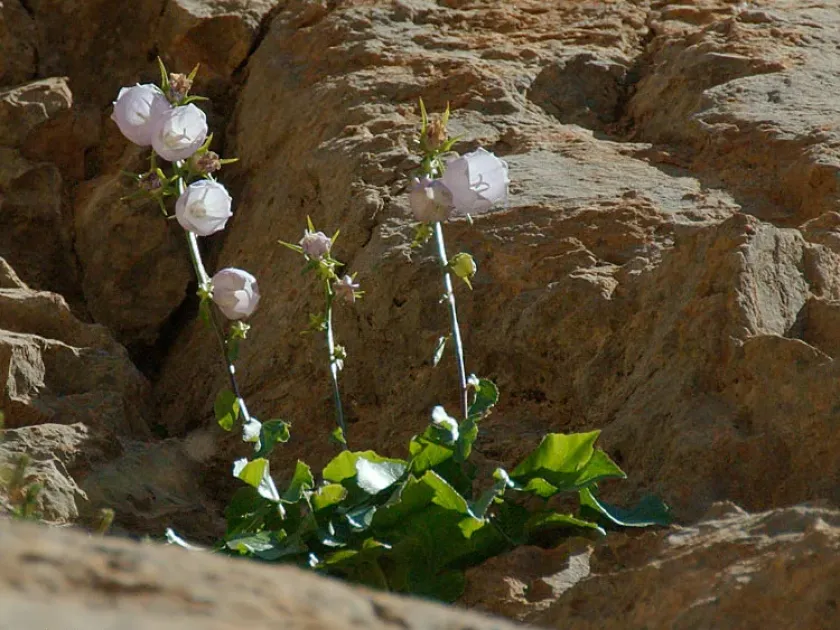
Description
Growing requirements
The Cretan bellflower (Campanula cretica) is a perennial herbaceous plant belonging to the Campanulaceae family. As its name implies, it is native to the island of Crete, typically found growing in rock crevices and on stony slopes where drainage is near-perfect.
Botanically, this species is characterized by basal rosettes of foliage and elegant flower stems. Its roots are adapted to penetrate deep into fissures, making the plant highly efficient at surviving in nutrient-poor, alkaline substrates in its natural arid environment.
For successful cultivation, growers must replicate these rocky conditions. The soil must be gritty and well-draining, as the plant is extremely susceptible to crown rot if left in saturated or heavy, clay-based soil. A mix of peat-free compost, grit, and limestone chippings is recommended.
Lighting requirements are significant for this species. To maintain its natural growth habit and ensure high bloom quality, the Cretan bellflower requires full sun. Insufficient light leads to etiolation, where stems become weak and spindly, and flowering potential is significantly compromised.
The climate must be managed carefully, as the species is not fully frost-hardy in all regions. It thrives in temperate, mild environments. In colder zones, it is best suited for alpine houses or greenhouses where humidity levels can be strictly regulated throughout the dormant season.
Main diseases and pests
The most severe threats to Campanula cretica include fungal pathogens such as Fusarium and Pythium. These organisms thrive in damp conditions and attack the root system, often leading to sudden collapse of the plant during the spring growing season.
Pest management is centered on controlling gastropods, primarily snails and slugs. These pests are particularly attracted to the succulent-like foliage during damp weather and can cause significant aesthetic damage to the plant's rosette within a single night.
Spider mites are another common concern, especially in greenhouse or indoor environments with poor airflow. These microscopic pests extract sap from the leaves, causing yellowing and a decline in vigor, necessitating timely intervention with insecticidal soaps or acaricides.
Proper air circulation is the best preventive measure against both fungal spores and insect colonization. Planting specimens at sufficient intervals and ensuring that the foliage remains dry during watering cycles are fundamental aspects of high-quality horticultural management.
Monitoring for signs of distress, such as leaf discoloration or wilting, is essential. Early identification allows for the removal of affected parts and the application of localized treatments, which prevents the spread of pathogens to surrounding specimens in the planting scheme.