
Cyananthus inflatus
Cyananthus inflatus
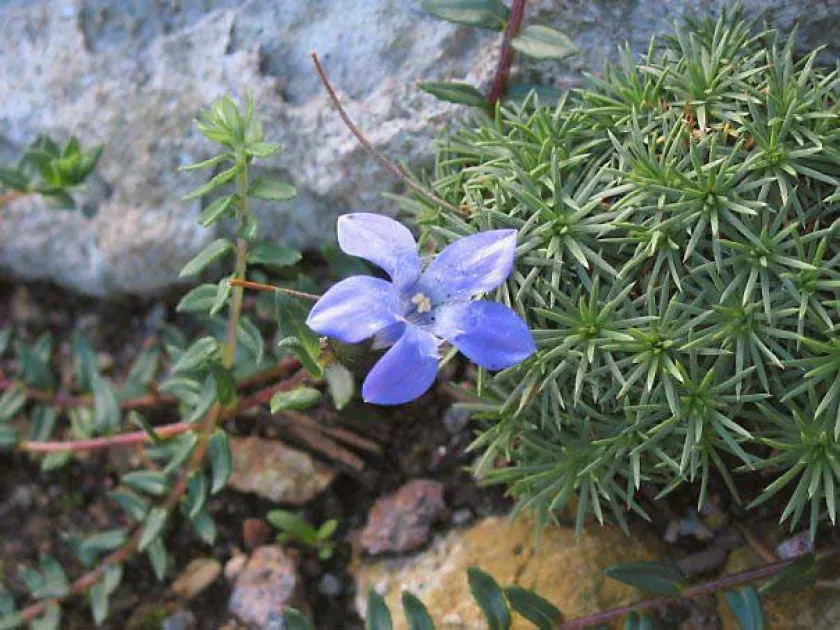
Description
Sowing dates
Cyananthus inflatus is a distinctive perennial herb belonging to the Campanulaceae family, known for its exquisite bell-shaped flowers.
Propagation is typically carried out through seeds, which often require a period of stratification to improve germination rates significantly.
The optimal sowing time is late autumn, allowing the seeds to undergo natural cycles of cold and moisture, reflecting their mountain origin.
Seeds should be sown on the surface of a fine, well-draining substrate, as they require light to germinate successfully.
Seedling growth is slow; therefore, providing stable conditions in a protected environment during the first year is highly recommended.
Growing requirements
This species originates from high-altitude regions in the Himalayas, meaning it thrives in cool, well-ventilated climates.
The culture requires mineral-rich, gritty, or sandy soils that ensure rapid drainage to protect the sensitive root system.
Cyananthus inflatus prefers a sunny location with partial shading during the peak heat of the day to prevent plant stress.
Maintaining consistent soil moisture is crucial, yet waterlogging must be avoided at all costs to prevent root decay.
The plant performs best in alpine gardens or troughs where its specific microclimate needs can be strictly controlled.
Main diseases and pests
The most significant danger to this culture is crown rot, caused by excessive moisture remaining around the base of the plant.
High humidity and poor air circulation can lead to outbreaks of powdery mildew, which quickly affects the foliage.
Common garden pests such as aphids and spider mites can infest the plants, particularly during dry and warm spells.
Monitoring the plant health regularly allows for early detection of potential threats and prevents widespread damage.
Cultural control measures, such as gravel mulching and careful watering, are the primary methods for sustaining a healthy garden.