
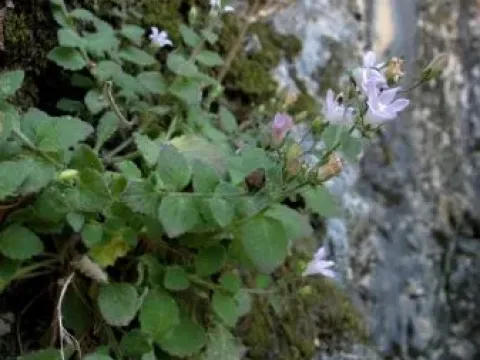
Damascene bellflower
Campanula damascena
Damascene bellflower (Campanula damascena) is an elegant herbaceous plant belonging to the Campanulaceae family. Native to the Levant region, particularly Syria, this species thrives in Mediterranean-type climates, often found in rocky slopes and open mountainous terrain.
What the section contains
Damascene bellflower
The plant requires well-drained, fertile soil with a neutral to slightly alkaline pH. Proper aeration of the root system is essential, as waterlogging is the primary cause of plant failure, leading to root rot and premature decay of the plant tissue.
In terms of light exposure, the species prefers full sun or light partial shade. Direct, intense midday sun in hotter climates can scorched the delicate foliage, making a sheltered position with morning sunlight and afternoon protection the most favorable for vigorous growth.
Water management is critical during the active growing season. The substrate should be kept consistently moist but never waterlogged. Once established, the plants demonstrate moderate drought tolerance, yet they perform best when moisture levels remain stable throughout the flowering stage.
These plants are sensitive to prolonged exposure to cold, wet winter conditions. In regions with freezing winters, providing adequate protection through winter mulching or moving container-grown plants to a frost-free environment is necessary to ensure survival and health.
Sowing should take place in early spring after the threat of frost has passed. Seeds are small and require surface sowing on a fine-textured soil medium. Keep the germination environment humid and stable to ensure successful emergence of the seedlings within two to three weeks.
The most significant threats to Damascene bellflower are fungal pathogens, such as powdery mildew and root rot, which are triggered by poor air circulation or excessive moisture. Regular inspection and thinning of the canopy help reduce the risk of these diseases.
Pests such as slugs and snails are highly attracted to the succulent foliage of the plant and can cause significant damage in a short period. Implementing organic barriers or molluscicides around the base of the plants is recommended to protect the crop.
Aphids can also infest the flower buds, causing stunted growth and misshapen flowers. Using systemic or biological insecticides should be done selectively to ensure that the pollinators, attracted to the bell-shaped flowers, remain unharmed during the blooming season.