
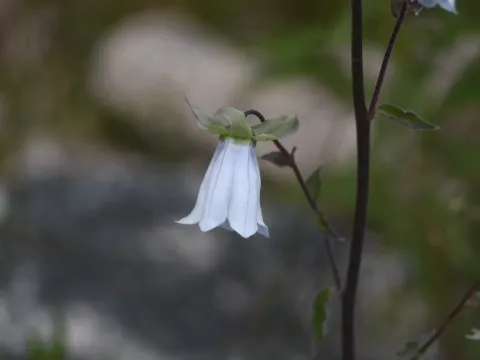
Codonopsis
Codonopsis Wall.
Codonopsis is a perennial herbaceous plant belonging to the Campanulaceae family. Due to the tiny size of its seeds, the most reliable method for cultivation is the production of seedlings in a controlled environment.
What the section contains


Codonopsis
Seeds are sown in late winter or early spring in a lightweight, well-draining soil mix. They should be sown on the surface and barely covered with fine sand or vermiculite to ensure light exposure.
Maintaining a temperature range between 18–22 degrees Celsius is crucial for germination. Consistent soil moisture must be maintained throughout the entire germination period, which usually lasts several weeks.
Once the seedlings develop two true leaves, they should be carefully transplanted into individual pots. This spacing encourages the development of a healthy root system before moving to the field.
Young plants are transplanted into the open field only after all risks of frost have passed. Proper hardening-off of the seedlings for at least one week is recommended for better establishment.
Codonopsis thrives in locations with partial shade, especially during the hottest hours of the day. Exposure to direct, intense sunlight can stress the plant and reduce foliage health.
The ideal soil is deep, loose, organic-rich, and well-drained. Sandy loam soils are preferred as they allow for unobstructed root expansion and prevent waterlogging, which is detrimental to the plant.
Regular but moderate irrigation is essential. The crop is sensitive to prolonged drought, but excessive water can trigger root diseases, making drainage the most critical factor in soil management.
As a climbing plant, Codonopsis requires structural support. Installing trellises or stakes not only manages the sprawling growth habit but also improves airflow, reducing the risk of fungal infections.
Fertilization should prioritize phosphorus and potassium to support vigorous root growth. Excessive nitrogen should be avoided to prevent over-abundant leaf development at the expense of root density.
The economic yield of Codonopsis is concentrated in its fleshy roots. Harvest is typically scheduled for the third or fourth year of growth to ensure the roots have reached optimal size and potency.
High yields are contingent upon proper planting density and weed control. Keeping the fields free from weeds prevents competition for nutrients and ensures the plants receive adequate space.
Standardized farming practices, including regular inter-row cultivation, significantly increase the total biomass of the harvested roots per hectare.
Proper post-harvest handling is essential for maintaining product quality. Sorting roots by size and cleaning them immediately after harvesting ensures higher market value.
Efficiency in harvesting is increased by utilizing mechanical diggers adapted for root crops, which reduces labor costs and minimizes damage to the precious herbal material.
Fungal pathogens represent the primary threat to Codonopsis, especially in regions with high humidity or poor soil aeration. These pathogens can cause rapid decay of the root system.
Root rot is the most common issue. Preventive measures include ensuring excellent field drainage, using crop rotation, and avoiding planting on land previously used for other susceptible bellflower species.
Slugs and snails can cause significant damage to young seedlings. Implementing physical barriers or organic pest management strategies helps control their population during the vulnerable early growth stage.
Aphids may occasionally appear on the vines, sucking sap and weakening the plant. If infestation occurs, systemic or biological insecticides approved for medicinal crops should be used.
Good agricultural practice, including regular monitoring of the crop canopy and soil surface, is the most effective way to prevent widespread pest outbreaks and disease development.
Harvesting takes place in autumn, specifically after the stems begin to wither. At this stage, the plant has stored maximum carbohydrates and active ingredients within the roots.
The roots are unearthed using specialized tools to ensure they remain intact. Clean roots are then washed to remove any soil residue before being processed for drying.
After washing, the roots are often sliced into sections to facilitate faster and more uniform drying. This prevents microbial degradation while the roots are being prepared for storage.
Drying must be conducted in controlled environments with adequate airflow and temperature management to protect the bioactive compounds from thermal degradation.
Properly dried material should be stored in cool, dark, and dry conditions. This prevents reabsorption of moisture, which could lead to mold growth and total loss of the harvest.