
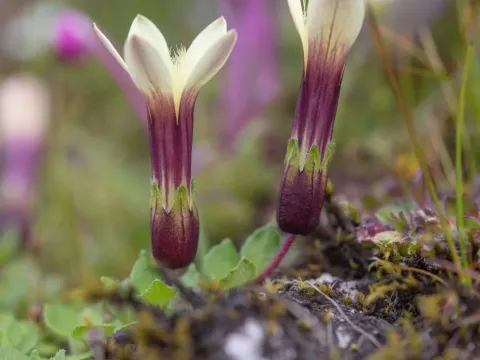
Cyananthus macrocalyx
Cyananthus macrocalyx
Cyananthus macrocalyx is a perennial herbaceous plant belonging to the Campanulaceae family. Naturally distributed across the alpine and subalpine zones of the Himalayas, it is a species highly specialized for high-altitude, cold environments with thin soils.
What the section contains
Cyananthus macrocalyx
Botanically, the plant is known for its prostrate or cushion-forming habit and distinctive large, calyx-shaped flowers that bloom in summer. It features deep taproots that anchor the plant securely in rocky crevices, making it an excellent candidate for specialized rock gardens.
In cultivation, the primary requirement is a mineral-rich, extremely well-draining substrate. A mix consisting of grit, coarse sand, and a minimal amount of humus mimics its natural habitat and prevents the dangerous buildup of moisture around the root crown.
Climate conditions should prioritize cool, well-ventilated sites. In lowland areas, providing partial shade during the hottest part of the day is essential to prevent heat stress and dehydration of the delicate foliage.
While primarily used in specialized ornamental horticulture and alpine collections, Cyananthus macrocalyx provides high aesthetic value. It is cultivated for its long-lasting blue-purple flowers and its ability to thrive in poor, rocky sites where traditional garden perennials would fail to survive.
The most significant threat to Cyananthus macrocalyx is root rot caused by stagnant water, particularly during the transition between winter and spring. Improving drainage with a thick layer of grit around the plant's crown is a standard preventive agricultural practice.
Insects like aphids can occasionally infest new growth, especially during dry spells. Management involves using environmentally friendly horticultural soaps or specific systemic insecticides that are safe for alpine rock garden species.
Fungal leaf spots can occur if the foliage remains wet for extended periods in high-humidity climates. Proper site selection, ensuring good airflow, is the primary defense against such pathogens.
Viral infections, while rare, may manifest as leaf mosaic or stunted growth. Immediate removal of symptomatic plants is recommended to avoid further spread within a controlled environment or nursery setting.
Over-fertilization represents a major cultural threat. As an alpine specialist, Cyananthus macrocalyx has adapted to nutrient-poor soils; excessive feeding leads to succulent, weak growth that is highly susceptible to pests and winter damage.