
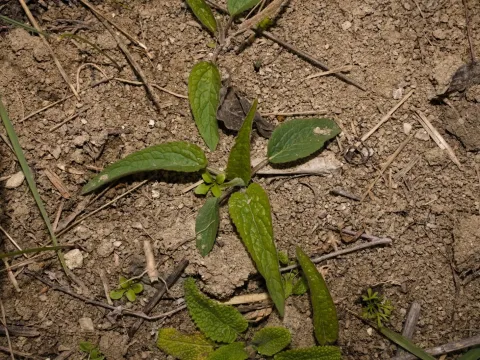
Creeping bellflower
Campanula rapunculoides
The creeping bellflower (Campanula rapunculoides), a member of the Campanulaceae family, is a hardy perennial capable of aggressive spreading via rhizomes and seed production.
What the section contains
Creeping bellflower
When propagating by seed, sowing in late autumn is recommended to ensure the seeds undergo natural cold stratification, which significantly improves germination rates in the spring.
If sowing in the spring, it is crucial to keep the seeds in a cool environment for at least 3-4 weeks to break seed dormancy.
The seeds should be sown on the surface of the soil with minimal coverage, as they require light to germinate effectively and should not be buried deeply.
Vegetative propagation via root division is highly effective and should be performed in early spring or autumn to maintain the vigor of the plant patches.
This species is highly adaptable and can thrive in a wide range of soil types, ranging from sandy loams to heavier clay, provided there is adequate drainage.
While it tolerates drought, the plant performs best in moderately moist conditions and benefits from organic matter enrichment in the soil.
Light exposure can vary from full sun to partial shade, making the creeping bellflower a versatile candidate for diverse garden and landscape applications.
The plant is exceptionally cold-hardy, surviving even the most severe winter frosts without the need for additional protective mulching or cover.
Due to its aggressive nature, growers should monitor the spread of rhizomes to ensure the plant does not overtake adjacent agricultural or ornamental plots.
The primary diseases affecting the creeping bellflower include powdery mildew and rust, which are often encouraged by high humidity and poor air circulation.
Root rot can occur if the soil remains waterlogged for extended periods, necessitating careful site selection to avoid areas with standing water.
Pests such as slugs and snails are particularly problematic for young, emerging leaves during wet spring seasons, often causing significant foliage damage.
Aphids can infest the budding flowers in early summer, which may require manual removal or the application of insecticidal soaps to protect the inflorescence.
Effective management strategies include maintaining space between plants and practicing crop rotation where applicable to prevent the buildup of soil-borne pathogens.
The creeping bellflower is utilized primarily in ornamental horticulture and as an early-season nectar source for pollinators such as bees.
Harvesting for floral arrangements is best done when the bells are just beginning to open, which prolongs their vase life significantly.
The roots and young shoots have a historical use as edible ingredients, with the fleshy roots tasting somewhat similar to parsnips when cooked.
For culinary or medicinal harvest, roots are best extracted in the autumn months when the plant has stored maximum carbohydrates in its rhizomes.
Post-harvest care involves thorough cleaning and drying in cool, ventilated conditions to ensure the quality of the raw botanical material is preserved.