
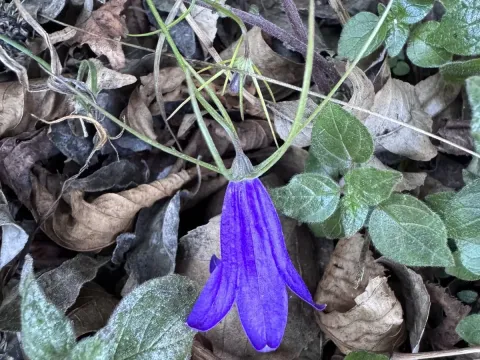
Carnic bellflower
Campanula carnica
The cultivation of Campanula carnica usually begins with seed propagation in controlled greenhouse conditions, typically starting in late winter to ensure strong seedlings by spring.
What the section contains
Carnic bellflower
Due to the minute size of the seeds, they should be sown on the surface of the growing medium without covering them, as they require light for optimal germination process.
Maintaining a constant temperature between 18 and 20 degrees Celsius is essential for the seeds to sprout, which generally occurs within two to three weeks under consistent moisture.
Once the seedlings develop two true leaves, they should be transplanted into individual pots, which helps in establishing a robust root system before moving them to a permanent garden spot.
Hardening off the seedlings before planting them outdoors is a critical step, which should be performed only after the danger of late frost has completely passed.
Campanula carnica belongs to the Campanulaceae family and originates from the mountainous regions of Central Europe, demanding specific environmental conditions to thrive.
This species prefers locations with bright sunlight or partial shade and requires well-draining soil to prevent the moisture accumulation that leads to crown rot.
The ideal soil structure is light and loamy, preferably with a neutral to slightly alkaline reaction, which mimics the rocky alpine environments where the plant naturally occurs.
While the plant is relatively hardy, it appreciates regular irrigation during dry spells to sustain its flowering period, which is the highlight of its horticultural appeal.
Fertilization should be handled carefully, applying a balanced nutrient solution that promotes healthy growth without excessive vegetative lushness that can weaken the flower stems.
Like many species in this genus, Carnic bellflower is susceptible to fungal infections such as powdery mildew, especially in environments with poor air circulation or excessive humidity.
Root rot is the most common physiological issue caused by poor drainage, making it crucial to ensure that the site for planting is appropriately modified with drainage layers if necessary.
Slugs and snails represent the primary pest challenge, often causing significant damage to the foliage and buds during cool, damp spring weather, requiring protective measures.
Aphids and spider mites may occasionally infest the plants, particularly during stressful high-heat conditions, and can be managed with standard horticultural oil sprays or systemic insecticides.
Good sanitation practices, including the removal of dead leaves and debris from around the plants, are essential in minimizing the risk of both pest outbreaks and disease development.