
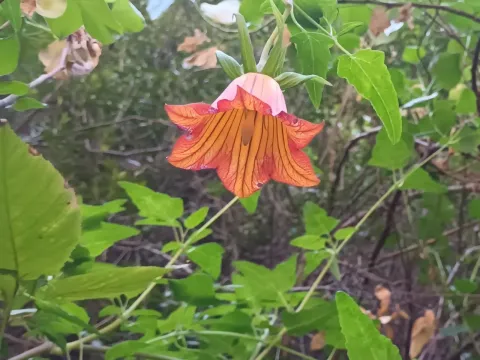
Canarina
Canarina
Canarina, most notably the species Canarina canariensis, is a perennial herb that thrives as an ornamental climber. Propagation is typically achieved through seeds, which require stratification to improve germination rates in controlled environments.
What the section contains

Canarina
Seeds are sown in a well-draining, sterile substrate in late winter. Because the seeds are light-sensitive, they should be surface-sown and only lightly pressed into the soil to maintain consistent moisture.
Seedling development requires a steady ambient temperature of approximately 18-20 degrees Celsius. Rapid drying of the substrate must be avoided to ensure the survival of the sensitive root system of the sprouts.
Once the seedlings reach a manageable size, they are transplanted into individual pots. It is essential to use a potting mix enriched with organic matter to support the rapid growth phase of the vine.
Vegetative propagation via rhizome division is a standard practice for maintaining specific traits. This must only be performed when the plant is in its dormant state to ensure recovery.
As a member of the Campanulaceae family, Canarina is distinct for its fleshy rhizomes and bell-shaped flowers. It originates from the Canary Islands, specifically adapted to humid laurel forest environments.
The cultural requirements demand a balance between high humidity and excellent drainage. Overwatering is the most common cause of failure, leading to the rapid decay of the tuberous roots.
Canarina requires a structural support system to facilitate its climbing habit. In greenhouse or indoor conditions, it can grow several meters in height when properly trellised.
Seasonal management is vital: the plant needs active growth conditions during its season, followed by a strict period of dormancy where water is withheld as the foliage dies back.
Light levels should be kept at moderate to high, avoiding intense direct sunlight that may scorch the foliage during the peak of summer.
Spider mites are the most persistent pest for Canarina, thriving in dry air environments. Regular misting and moisture control are the primary methods for preventing infestations.
Aphids occasionally colonize the flower buds and new growth. If caught early, these can be managed through manual removal or the application of organic insecticidal soaps.
Root rot is the most serious disease risk, caused by saturated soil conditions. Proper container drainage and porosity are essential for long-term plant health.
Good ventilation is key to preventing fungal outbreaks, such as powdery mildew, which can develop if airflow around the leaves is restricted for long periods.
Consistent monitoring during the transition into the dormancy phase is critical, as any moisture left in the soil during this time significantly increases the risk of soil-borne pathogens.