
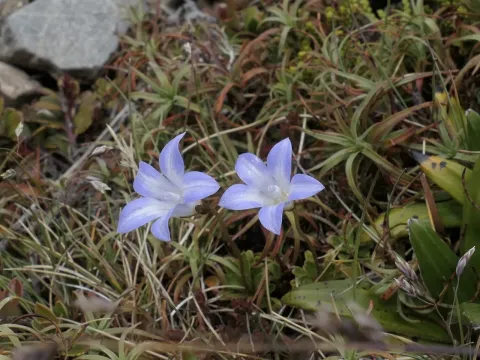
Cephalostigma
Cephalostigma
Cephalostigma is a genus of herbaceous plants belonging to the family Campanulaceae. Sowing is typically carried out in early spring when the soil temperature has reached a stable level suitable for seed germination.
What the section contains
Cephalostigma
Due to the small size of the seeds, they should be sown on the surface of the soil or covered with a very thin layer of substrate, ensuring they receive enough light to trigger the sprouting process.
Maintaining a constant level of humidity is crucial during the germination phase; therefore, the use of covers or mini-greenhouses is often recommended to prevent the surface from drying out too quickly.
In a nursery environment, uniform spacing is achieved by sowing in trays, which allows for easier management and protection against competing weed species during the initial growth stages.
Once the seedlings develop their first true leaves, they should be gradually acclimated to ambient conditions if they were started in a controlled environment, preparing them for transplanting.
These plants thrive in locations with bright, indirect sunlight, as intense mid-day sun can sometimes cause scorch on the foliage, especially in drier climatic zones.
A well-draining, nutrient-rich soil with a neutral to slightly acidic pH is essential for the healthy development of the root system and the prevention of moisture-related disorders.
Adequate irrigation is necessary throughout the growing season, but it is vital to allow the soil surface to dry slightly between watering sessions to avoid waterlogging the roots.
The ideal temperature range for Cephalostigma is between 18 and 24 degrees Celsius, which supports optimal metabolic activity and the production of healthy, vibrant floral structures.
Regular monitoring of soil nutrient levels and the application of balanced, slow-release fertilizers can significantly enhance plant vigor and overall yield during the flowering season.
The primary threats to Cephalostigma include root rot and damping-off disease, which are typically caused by poor soil drainage and excessive moisture accumulation in the rhizosphere.
Common insect pests, including aphids and spider mites, can damage the leaves and stems, requiring immediate identification and treatment with appropriate biological or chemical agents.
Fungal infections such as powdery mildew may occur in poorly ventilated areas where air humidity remains consistently high, necessitating better spacing and air circulation strategies.
Soil-borne nematodes can also impact plant health, particularly in areas where crop rotation is not practiced, making soil sterilization or the use of resistant varieties an important consideration.
In outdoor settings, gastropods like slugs and snails represent a constant danger to young, succulent shoots, often requiring the use of protective barriers to minimize damage.