
Cenisia bellflower
Campanula cenisia
Description
Growing requirements
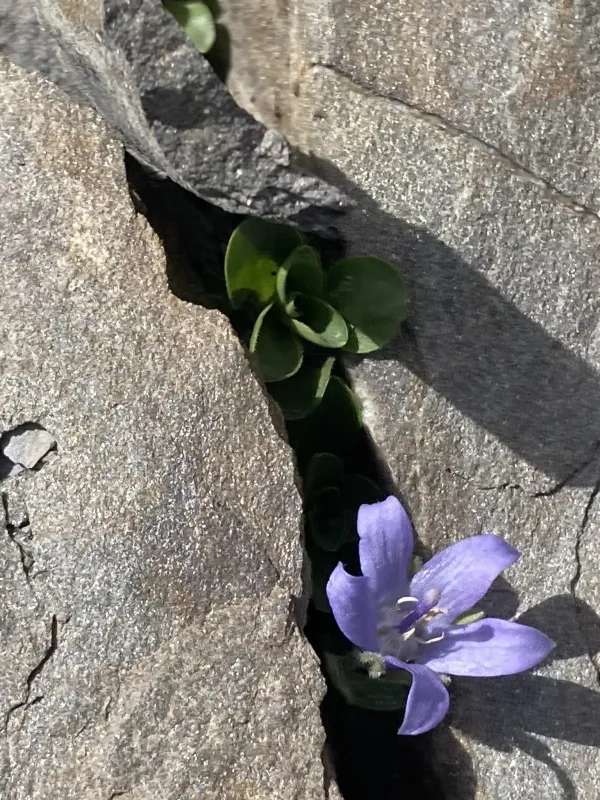
Cenisia bellflower (Campanula cenisia) is a delicate alpine perennial belonging to the Campanulaceae family. It is native to the high altitudes of the European Alps, where it typically grows on scree and stony ridges.
The plant is known for its compact habit, rarely exceeding 5 cm in height. It produces small, star-shaped flowers that bloom in shades of pale blue, creating a vibrant contrast against the rocky substrate it prefers.
Successful cultivation of Campanula cenisia requires a specialized environment that mimics its natural habitat. This includes a perfectly drained, gritty, and lime-rich soil mixture with minimal organic matter.
Climate requirements focus on cool temperatures and high atmospheric humidity. It does not tolerate heatwaves or dry, stagnant air, which can cause the plant to lose its vitality within a single season.
Proper water management is essential for this species. It requires consistent moisture in the root zone during the active growing season, but the water must move freely through the soil to prevent any form of stagnation.
Main diseases and pests
The most significant threat to the health of the Cenisia bellflower is root and crown rot, primarily induced by excess moisture and poorly drained soil. Providing a coarse gravel layer around the crown is a common remedial practice.
Gastropods, particularly slugs, pose a severe risk to the tender foliage. Gardeners must implement protective measures or maintain a clean environment around the plant to mitigate damage from these pests.
Inadequate air circulation is a common issue that leads to the development of fungal pathogens, including various types of mildew. Ensuring the plant is situated in an area with natural breezes is crucial.
Improper mineral balance in the soil, particularly the lack of calcium, can lead to stunted growth. Maintaining a slightly alkaline pH is necessary to satisfy the physiological needs of this calcicole species.
Thermal stress from high ambient temperatures can weaken the plant, making it prone to opportunistic infections. Using a mulch of small stones helps to keep the roots cool and maintains a more stable temperature.