
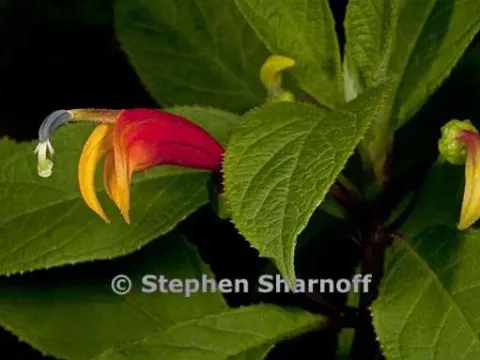
Centropogon
Centropogon
Centropogon propagation is typically achieved through seeds or stem cuttings, which should be started during the early spring season for optimal growth.
What the section contains


Centropogon
Seeds require a well-draining, moist potting mix and should be placed in a warm environment with temperatures maintained between 20 and 22 degrees Celsius.
For cuttings, select healthy semi-hardwood shoots and place them in a rooting medium such as perlite or peat to ensure rapid root development.
Young plants should be protected from direct sunlight and kept in a humid environment until they are fully established in their individual pots.
Gradual acclimatization to outdoor conditions is necessary if the plants are intended for terrace or garden display during the warm summer months.
Belonging to the Campanulaceae family, Centropogon is a fascinating genus native to the tropical cloud forests of Central and South America.
This plant thrives in high-humidity environments and requires bright, filtered light to maintain its lush foliage and vibrant flowering cycle.
Soil composition must be rich in organic matter and slightly acidic to mimic the natural forest floor conditions where these plants originate.
Consistent moisture is key, yet the substrate must have excellent drainage to prevent root suffocation and subsequent decay of the plant.
Temperature control is vital, as the species generally dislikes extreme heat and is intolerant of any frost, requiring indoor shelter in colder climates.
The primary pests affecting Centropogon include spider mites and whiteflies, which frequently attack the plant when indoor air becomes too dry.
Fungal issues, particularly root rot, are common symptoms of improper drainage or overwatering, often exacerbated by stagnant air conditions.
Powdery mildew may also manifest on the leaves if the plants are crowded together without sufficient air circulation between the stems.
Integrated pest management, including regular inspection and the use of neem oil or insecticidal soaps, is highly recommended for control.
Maintaining a clean growing environment and removing any dead or decaying tissue is essential to minimize the risk of pathogen outbreaks.