
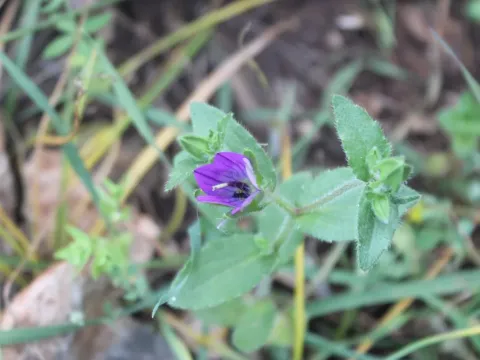
Star Bellflower
Campanula stellaris
The sowing of Campanula stellaris seeds is best conducted indoors during the early spring, typically in March, to ensure a robust start for the growing season. Because the seeds are tiny, they should be surface-sown onto a high-quality seed-starting mix, barely pressed into the surface rather than buried.
What the section contains
Star Bellflower
Maintaining a consistent environment is crucial for germination, with temperatures ideally kept between 18°C and 20°C. Using a clear cover helps maintain the necessary humidity levels during the germination process, which usually takes two to three weeks.
Once the seedlings develop their first true leaves, they should be pricked out and transplanted into individual cells or small pots. This individual spacing encourages the development of a healthy root system, preventing competition between young plants.
Hardening off the seedlings is a vital step before they are moved to their permanent outdoor location. Gradually introducing the plants to outdoor conditions over a ten-day period helps them build resilience against wind and fluctuating temperatures.
Final transplanting to the garden beds should occur in late May, once the risk of frost has passed. Proper spacing is essential to ensure adequate airflow, which significantly reduces the risk of foliar diseases during the summer months.
Belonging to the Campanulaceae family, the Star Bellflower thrives in well-drained, fertile, and slightly alkaline soils. It is particularly sensitive to waterlogging, so ensuring the soil has excellent drainage is the top priority for successful cultivation.
The plant prefers full sun to partial shade locations. In regions with extremely high summer temperatures, providing partial shade during the hottest part of the afternoon helps prevent leaf scorch and extends the flowering period.
Consistent, moderate irrigation is required throughout the growing cycle, though care must be taken to water the base of the plant rather than the foliage. Keeping the soil consistently moist but never saturated prevents root rot.
Fertilization should be managed carefully; a balanced, slow-release granular fertilizer applied early in the spring supports vegetative growth. As the blooming phase approaches, a phosphorus-rich supplement can enhance flower production.
Regular maintenance involves keeping the beds clear of weeds, as the Star Bellflower has shallow roots and can be easily overwhelmed by more aggressive vegetation. Light cultivation of the topsoil around the plants helps aeration.
Root rot caused by various soil-borne fungi is the primary concern for Campanula stellaris, especially in poorly drained sites. It manifests as a sudden wilting and browning of the leaves, necessitating the removal of affected specimens.
Powdery mildew represents a frequent threat during periods of high humidity and poor ventilation. This fungal disease appears as a dusty white coating on the leaves and can severely impact the plant's aesthetic and vitality if left untreated.
Gastropods, particularly slugs and snails, are frequent pests that target the succulent young leaves of the bellflower. Protecting the plants with mulching techniques or organic barriers is recommended to minimize damage during wet weather.
Aphids can also colonize the budding tips, leading to deformed flowers and stunted growth. Periodic inspections allow for the targeted application of insecticidal soap, which is often sufficient to manage smaller aphid populations.
Preventive care, such as maintaining proper planting density and ensuring good air circulation around the plants, remains the most effective strategy against these pests and diseases. Early detection is always critical in a managed garden environment.