
Steven's bellflower
Campanula stevenii
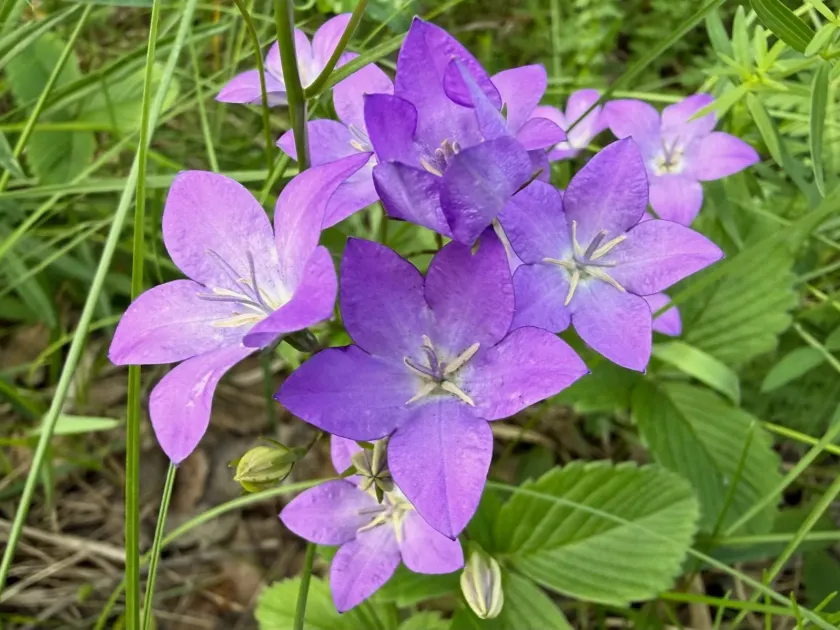
Description
Sowing dates
Seeds of Campanula stevenii can be sown directly into the soil in late autumn, allowing the cold winter weather to naturally stratify the seeds for better spring germination.
For indoor propagation, sow seeds in a well-drained substrate during early spring, covering them very thinly to allow adequate light for the germination process.
Keep the seed trays in a bright, temperate environment, ensuring the soil remains consistently moist but not waterlogged to prevent fungal damping-off.
Seedlings should be thinned or transplanted once they develop at least two true leaves, providing each plant enough space to develop a strong root system.
Acclimatization of the young plants is necessary before moving them permanently outdoors to ensure they can withstand varying temperature conditions.
Growing requirements
Steven's bellflower is a herbaceous perennial belonging to the Campanulaceae family, valued for its unique floral appearance and adaptability to alpine conditions.
The plant thrives in well-lit locations and is highly suited for rock gardens or borders that mimic its natural mountainous or steppe-like habitat.
Soil requirements focus on excellent drainage; sandy or rocky loams with a neutral pH provide the best environment for healthy long-term growth.
Regular maintenance involves removing faded flowers to encourage a second flush of blooms and keeping the area free of competitive weed growth.
While drought-tolerant once established, providing occasional deep irrigation during peak summer heat ensures the plant maintains its structural integrity and vitality.
Main diseases and pests
Common issues include root rot, which is almost always a result of poor drainage or overwatering, making site selection the primary preventative measure.
Fungal pathogens such as powdery mildew may appear during humid seasons, necessitating improved air circulation and the removal of affected foliage.
Aphids and sap-sucking insects are frequent pests that congregate on succulent new growth, requiring manual removal or application of appropriate pest control measures.
Slug and snail populations can devastate young foliage; utilizing barriers or organic baiting methods can significantly reduce their impact on the crop.
Maintaining a clean garden environment by clearing plant debris reduces the overwintering sites for various insect larvae that could damage the plants later.