
Topalian bellflower
Campanula topaliana
Description
Growing requirements
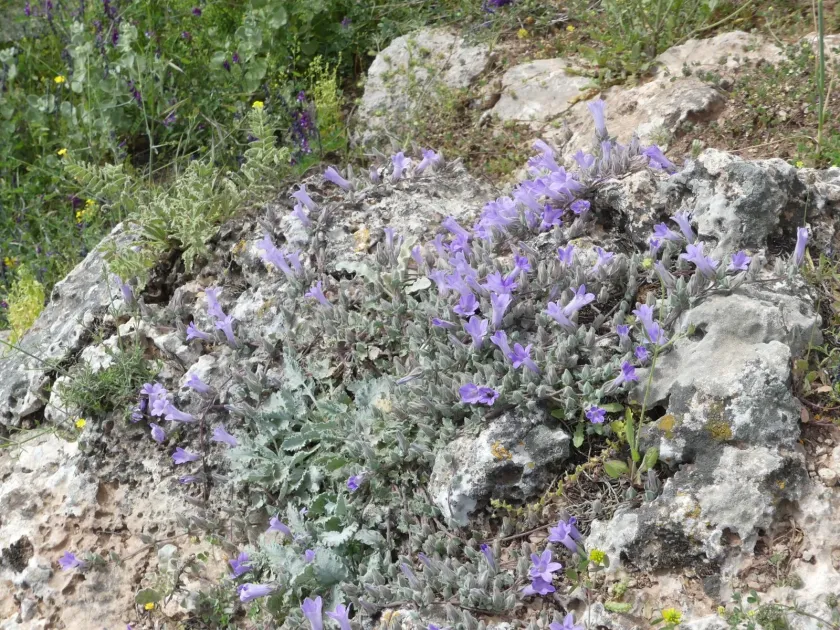
The Topalian bellflower (Campanula topaliana) is a perennial herbaceous plant belonging to the Campanulaceae family. Originating from the rocky terrains of the Balkans, this species is highly specialized for growth in crevice-like environments.
Botanically, this plant is recognized by its small, dainty flowers and compact growth habit. It is biologically adapted to harsh conditions, allowing it to thrive in locations where other decorative plants struggle to survive.
Successful cultivation requires full sun exposure and well-draining, calcareous soil. The plant does not tolerate waterlogging, as its roots are highly susceptible to rot if soil aeration is compromised.
Regarding climate, it prefers regions with temperate conditions. It is essential to ensure that the site provides good drainage during the winter months to prevent damage from excessive moisture and freezing cycles.
In terms of usage, the Topalian bellflower is primarily used in ornamental horticulture. It is a favored choice for rock gardens, stone walls, and alpine rockeries, providing a delicate aesthetic appeal to landscape designs.
Main diseases and pests
The main threats to the plant include fungal diseases, specifically root rot and powdery mildew. These issues often arise in poorly ventilated areas or under conditions of excessive moisture and humidity.
Slugs and snails are the most significant pests, often feeding on the succulent leaves. Implementing integrated pest management, such as physical barriers or biological controls, is highly recommended for long-term health.
Aphids can occasionally infest the plant during the growing season. Early detection and treatment with mild insecticides or soapy water solutions can prevent severe damage to the flower stalks.
Maintaining a clean growing area is vital for pest prevention. Removing fallen debris and maintaining a consistent, moderate moisture level helps the plant sustain its natural vigor throughout the summer.
- Ensure excellent drainage with rock chips.
- Provide adequate sunlight for healthy growth.
- Apply snail control measures in humid weather.
- Avoid overhead irrigation to reduce fungal risks.