
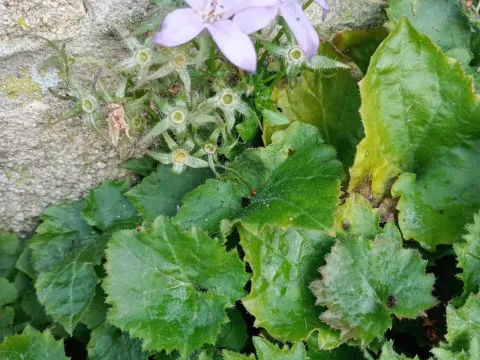
Symphyandra
Symphyandra
Symphyandra is a genus of flowering plants belonging to the Campanulaceae family. These plants are prized by gardeners for their bell-shaped flowers and elegant growth habit, making them ideal for alpine and rock gardens.
What the section contains
Symphyandra
Propagation is primarily achieved through seeds sown in late autumn or early spring. If sown in spring, seeds require a period of cold stratification for about 4–6 weeks to break dormancy and ensure consistent germination.
Seeds should be sown on the surface of a light, well-draining seed-starting mix, as they require light to germinate. Do not cover them deeply; instead, press them gently into the soil surface to maintain contact.
Seedlings develop slowly during their first season. It is best to grow them in pots or a nursery bed until they are robust enough to be transplanted to their permanent location in the garden.
When moving plants to the garden, ensure they are spaced approximately 30–40 cm apart. Avoid disturbing the root ball too much during transplantation, as the species is sensitive to root damage.
The success of growing Symphyandra depends heavily on soil drainage. They thrive in gritty, well-draining soil that mimics their native mountain habitats, as standing water often leads to root rot.
These plants prefer positions in partial shade to full sun. In regions with intense midday heat, filtered light is essential to prevent scorching of the leaves and to maintain the vibrant color of the blooms.
Soil pH should be neutral to slightly alkaline. Incorporating small amounts of limestone or leaf mold into the soil can improve structural stability and fertility for long-term health.
Watering should be managed carefully; keep the soil consistently moist but never waterlogged. During periods of active growth and flowering, provide regular moisture to support the development of flower spikes.
Applying a thin layer of gravel or stone chips around the crown of the plant helps keep the base dry and prevents rot. This practice is particularly beneficial during wet winter months or rainy seasons.
Slugs and snails are the most significant pests for Symphyandra, often feeding on foliage overnight. Protective measures such as copper tape or iron-phosphate-based baits are effective management strategies.
Fungal infections, such as root rot and gray mold, can occur if humidity levels are too high or soil drainage is inadequate. Ensuring proper spacing between plants is crucial for air circulation.
Powdery mildew may manifest as a white dusting on leaves during warm, dry spells. If detected, remove the most infected leaves and treat the plant with a suitable fungicide to prevent further spread.
Aphids might colonize the tender flower buds, stunting growth and affecting bloom quality. Periodic inspections and the use of insecticidal soap or neem oil are effective for localized control.
Root-knot nematodes can occasionally pose a threat, causing the plant to wilt without an apparent cause. Maintaining high soil health and avoiding over-fertilization can help minimize the risk of infestation.