
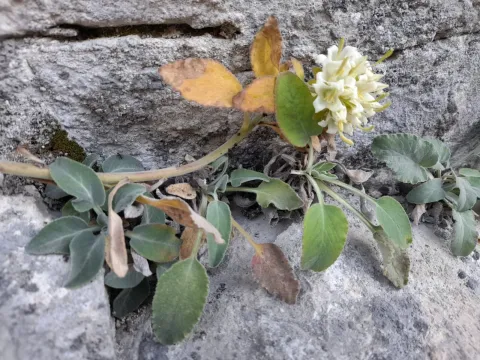
Stone bellflower
Campanula petraea
The stone bellflower (Campanula petraea) is a perennial herbaceous plant belonging to the Campanulaceae family. It is a rare species native to the southern Alps, where it typically colonizes rocky outcrops and limestone crevices, demonstrating its extreme adaptation to harsh environments.
What the section contains
Stone bellflower
For successful cultivation, this species requires well-draining, slightly alkaline soil conditions. It is essential to replicate its natural habitat by using a substrate rich in calcium and providing excellent aeration to prevent root suffocation caused by stagnant water.
The botanical structure of this plant is characterized by a compact, sturdy form and dense, capitate inflorescences with unique pale yellow or creamy flowers. These features make it a highly desirable candidate for specialized alpine garden collections and rockeries.
In terms of climate requirements, the stone bellflower thrives in sunny locations but benefits from protection against intense midday heat in lowland gardens. It is highly resistant to cold but sensitive to high humidity combined with stagnant soil moisture.
Propagation is typically achieved through seeds sown in spring or careful division of mature clumps. Due to its slow growth rate, the plant requires patient care and protection from more vigorous surrounding vegetation to establish effectively.
Fungal pathogens represent the most significant threat to the stone bellflower, especially under conditions of poor ventilation or excessive humidity. Root rot is a common issue that often arises from waterlogging of the growing medium.
Garden pests, particularly slugs and snails, find the succulent-like foliage of the plant highly attractive. They can cause severe damage during the early growth season, requiring active monitoring and the implementation of protective physical barriers.
Prevention remains the most effective management strategy. Using a layer of grit or small stones around the collar of the plant acts as a mulch that keeps the foliage dry and prevents direct contact with damp soil.
In cases of fungal outbreaks, copper-based fungicides may be applied to halt the spread of the infection. It is critical to ensure that any affected tissue is pruned cleanly and removed from the garden to prevent re-infection.
Maintaining optimal spacing between plants is crucial to ensure good airflow. This simple horticultural practice significantly reduces the micro-climatic humidity levels that are conducive to the development of powdery mildew and other foliar diseases.