
Duck lobelia
Lobelia anatina
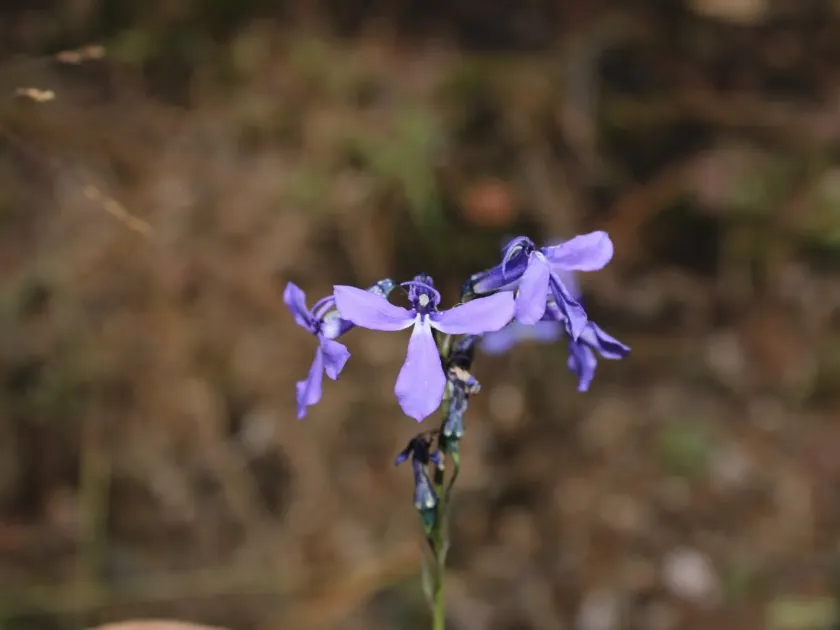
Description
Growing requirements
Duck lobelia (Lobelia anatina) is a perennial herbaceous plant belonging to the Campanulaceae family. Native to North America, this species is typically found in moist meadows, along streambanks, and in seasonally inundated lowlands where the soil remains consistently damp.
The plant is characterized by its slender, erect stems that can reach heights of 30 to 80 centimeters. Its leaves are generally lanceolate or narrowly elliptic, arranged alternately along the stem, giving the plant a structural and aesthetically pleasing appearance.
The flowers are arranged in loose racemes and exhibit vibrant blue to purple hues, which are iconic for many species within the Lobelia genus. The flowering period occurs during the summer months, making it a valuable addition to summer gardens.
Regarding cultivation requirements, Duck lobelia thrives in full sun to partial shade and prefers rich, organic, slightly acidic soils. Its primary ecological requirement is moisture; it cannot tolerate prolonged dry spells, making it ideal for rain gardens or pond edges.
Economically and ornamentally, this plant is used for landscaping wet areas, naturalistic garden designs, and restoration of riparian buffer zones. Its ability to thrive in moist soils makes it an excellent choice for sites where other decorative plants might struggle.
Main diseases and pests
The main threats to Duck lobelia involve fungal diseases that thrive in high-humidity environments. Powdery mildew is the most common foliar disease, often triggered by poor air circulation and excessive moisture on the leaf surface.
Pest pressures primarily include slugs and snails, which can cause significant damage to the foliage, especially in the early stages of growth. Aphids may also infest the tips of the shoots, potentially leading to stunted flower development and distorted growth.
Preventative measures are essential for successful cultivation. Maintaining proper spacing between plants ensures adequate airflow, which significantly reduces the risk of fungal infections and helps maintain a healthy microclimate.
Managing pests often requires a combination of physical barriers and, if necessary, targeted treatments. Regular monitoring for early signs of infestation allows for intervention before the plant's decorative value is compromised.
To support plant health, balanced soil management is key. Ensuring the soil has adequate drainage, even though it must be moist, prevents root suffocation, which is a common precursor to root rot diseases. Fertilization should be light and aimed at promoting overall vigor.