
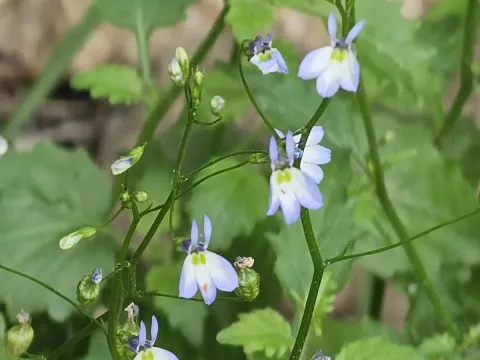
Diastatea
Diastatea
Diastatea, a member of the Campanulaceae family, is typically grown as an ornamental annual. Seeds should be sown indoors in late winter or early spring, around March, using a light and well-draining seed starting mix.
What the section contains

Diastatea
The seeds are very fine, so they should not be buried deeply. Simply press them onto the surface of the soil and cover them with a very thin layer of fine sand or vermiculite to ensure they receive enough light to germinate.
Maintain an ambient temperature of 18–20 degrees Celsius to encourage optimal germination. Once the seedlings develop their first true leaves, they should be pricked out into individual pots to allow room for root development.
Transplanting into the garden should only take place after the last spring frost. Diastatea is sensitive to cold temperatures, so waiting for stable, warm weather is essential for successful establishment.
If direct sowing is preferred, it must be done only when the soil has fully warmed up. Ensure the seedbed is weed-free and finely raked for the best possible start to the growing season.
Diastatea thrives in sunny locations with full exposure to light. Adequate sunlight is necessary for the plant to maintain its compact growth habit and produce an abundance of vibrant flowers throughout the summer.
The soil must be fertile, loose, and possess excellent drainage. While the plant appreciates consistent moisture, it will not tolerate waterlogged soil, which can quickly lead to root rot and plant death.
Keep the soil consistently moist but not saturated. Watering should be done at the base of the plant to avoid wetting the foliage, which helps prevent the development of various leaf spot diseases.
Apply a balanced liquid fertilizer every two weeks during the active growing season. A formula rich in phosphorus and potassium is particularly beneficial for promoting continuous and long-lasting floral displays.
Adding a layer of mulch around the plants can help regulate soil temperature and moisture levels, while also suppressing weeds that might compete for nutrients and water.
Fungal diseases, particularly root rots caused by Pythium or Phytophthora species, are the primary threats to Diastatea, especially in humid conditions or heavy, poorly draining soils.
Proper sanitation and avoiding overwatering are the best preventative measures against fungal pathogens. If disease is detected, fungicides may be applied, though prevention remains the most effective strategy.
Pests such as aphids can occasionally infest Diastatea, feeding on new growth and flower buds. This can lead to stunted growth, leaf curling, and an overall decrease in the plant's health and appearance.
Control aphids by using insecticidal soap or neem oil treatments. Early detection is key, so inspect the underside of the leaves regularly for any signs of pest activity throughout the summer months.
Remove any dead or diseased plant material from the garden immediately to prevent the build-up of pests and pathogens in the soil for the next growing season.
The flowering period of Diastatea lasts from mid-summer until the first autumn frosts. Regular deadheading of spent blossoms is highly recommended to redirect the plant's energy into new flower production.
To collect seeds, wait for the seed capsules to turn brown and dry while still on the plant. Harvest them just before they split open to ensure you do not lose the seeds to the ground.
Dry the collected seeds in a cool, dark, and well-ventilated space before cleaning them of any plant debris. Store them in paper envelopes in a dry, cool place until the next spring sowing season.
At the end of the season, remove the plants entirely from the garden bed. Tilling the soil and incorporating organic matter will help revitalize the plot for the following year's planting.
For floral arrangements, cut the stems when at least half of the buds on the spike have opened. Keep the stems in clean water to maintain the freshness and beauty of the cut flowers for as long as possible.