
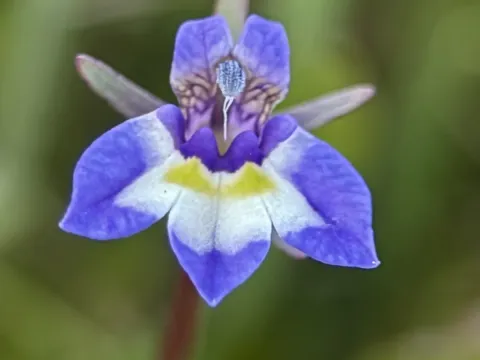
Downingia
Downingia
Downingia is a genus of annual herbaceous plants belonging to the Campanulaceae family. Native to western North America, these plants are uniquely adapted to vernal pools, seasonal wetlands, and moist meadows where water saturation levels are high during the active growing phase.
What the section contains

Downingia
Botanically, Downingia is characterized by its delicate, slender stems and narrow, linear leaves. This architecture allows the plant to thrive in aquatic or semi-aquatic conditions, where it can partially submerge its roots without suffering from hypoxia, a feature that distinguishes it from many other ornamental annuals.
Cultivation of Downingia requires specific site conditions, primarily full sun exposure and consistently moist soil. For gardeners, this means locating the plant in low-lying areas, near pond edges, or in heavy, moisture-retentive clay soils that prevent the drying out of the root zone.
The substrate should be rich in organic matter to support the vigorous growth of the plant. A neutral to slightly acidic pH is ideal for nutrient uptake, helping the plant develop its characteristic floral displays, which often feature vibrant blue, white, or purple hues depending on the specific species.
In landscaping, Downingia is utilized for its high aesthetic value in wetland gardens. Its ability to create a carpet of flowers near water features makes it a preferred choice for naturalistic garden designs that aim to replicate the native flora of the North American Pacific Coast.
The primary threats to Downingia cultivation are fungal pathogens such as root rot, which typically occur when the soil remains stagnant at high ambient temperatures. Poor air circulation combined with high humidity levels can accelerate the spread of these soil-borne diseases.
Pests, particularly gastropods like slugs and snails, represent a significant danger to the succulent foliage of the plant. In the humid environments where Downingia thrives, these pests find optimal breeding grounds, often causing severe defoliation of young, vulnerable seedlings.
Aphids can also pose a threat if the plant is stressed by irregular watering cycles or improper soil conditions. Monitoring the underside of the leaves and the growing tips is essential for early detection and prevention of large-scale aphid infestations during the season.
Management of these threats includes cultural practices such as spacing plants correctly to allow for adequate ventilation and regular weeding of the surrounding area. Keeping the environment clear of organic debris helps prevent the accumulation of pests and disease-causing fungi.
When chemical intervention is necessary, it is vital to select products safe for aquatic ecosystems. Given that Downingia is frequently planted near water, integrated pest management (IPM) strategies focusing on biological control are highly recommended over synthetic pesticides.