
Edraianthus dinaricus
Edraianthus dinaricus
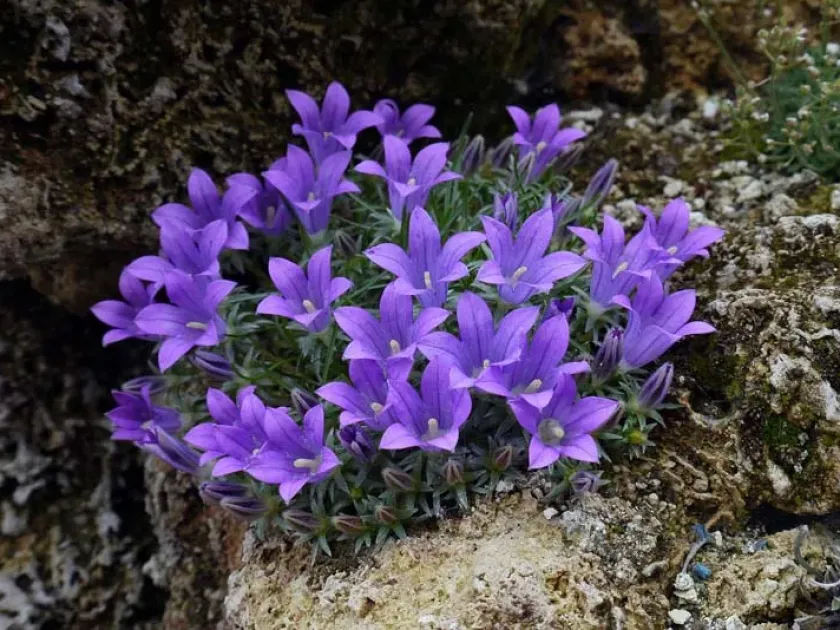
Description
Sowing dates
Sowing Edraianthus dinaricus requires patience and specific environmental conditions to ensure high germination rates. Seeds should be sown in late winter in containers filled with a gritty, well-draining substrate to mimic the natural alpine habitat.
Cold stratification is essential for successful seed germination. Placing the seed trays in a cold frame or a refrigerator for approximately six weeks helps break the seed dormancy, triggering a uniform sprouting process during the subsequent warming period.
When sowing, the seeds should be surface-sown on the substrate and barely covered with a thin layer of fine sand. Exposure to light is crucial for the germination of this species, so keeping the container in a bright, indirect light location is necessary.
Once the seedlings reach a stage where they have developed their first true leaves, they should be carefully pricked out into individual pots. Using small, deep pots is recommended to allow the developing taproot to grow without constriction.
Transplanting into the permanent garden site should be done in late spring once the threat of heavy frost has passed. It is important to acclimate the plants gradually to the outdoors to avoid shock from drastic changes in temperature or light intensity.
Growing requirements
Edraianthus dinaricus belongs to the Campanulaceae family and originates from the rocky, limestone-rich slopes of the Dinaric Alps. Its botanical structure is finely tuned for survival in nutrient-poor, high-drainage soils.
For cultivation, provide a location with full sunlight. This species thrives in rock gardens, crevice plantings, or troughs where the root environment mimics its native habitat. It requires a neutral to slightly alkaline soil pH provided by limestone chips.
The most critical aspect of the plant's health is drainage. The soil must be gritty and loose to prevent water accumulation near the root crown, which is highly susceptible to rot if left in saturated conditions for extended periods.
Regarding climate, this plant is exceptionally hardy. It is evolved to survive harsh, cold winters under snow cover, but it struggles in environments with high humidity and stagnant water during the winter months, which can lead to crown rot.
Minimal fertilizing is required. Over-feeding the plant will lead to weak, elongated growth and significantly fewer flowers. A light top-dressing of gravel around the plant's base is highly recommended to keep the foliage clean and dry.
Main diseases and pests
The primary threat to the health of Edraianthus dinaricus is the development of fungal rot. This is almost always caused by poor soil drainage, excessive ambient humidity, or the foliage being in constant contact with wet, dense soil.
Slugs and snails are major pests that pose a threat to the succulent leaves and developing buds of the plant. Gardeners should implement protective measures, such as gravel mulching or non-toxic baits, to keep these gastropods at bay during damp weather.
In poor ventilation scenarios, plants may be prone to powdery mildew, especially if they are kept in crowded conditions. Ensuring proper spacing and airflow between individual plants is vital for maintaining a healthy and disease-free collection.
Root-dwelling insects can occasionally damage the taproot of younger specimens. Monitoring the overall vigor of the plants is important; any sudden decline in growth should be investigated for signs of soil pests or pathogenic infection.
Overall, maintaining the structural integrity of the soil is the best defense against threats. By avoiding the use of organic-rich or moisture-retentive soils, you significantly lower the risk of common alpine plant diseases and pest infestations.