
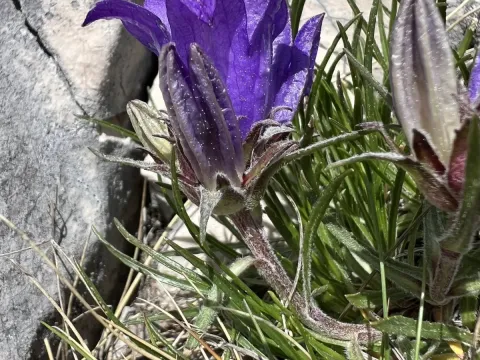
Edraianthus
Edraianthus
The sowing of Edraianthus seeds is best performed in early spring or late autumn using a well-draining, gritty seed-starting medium. The seeds are minute and should be sown on the surface of the soil, requiring light exposure to trigger germination successfully.
What the section contains
Edraianthus
Cold stratification for a period of 4 to 6 weeks is highly recommended to improve overall germination rates. Keeping the containers in a cool, unheated greenhouse or a cold frame mimics the natural environmental conditions these plants encounter in their native habitats.
Once the seedlings have reached a manageable size and developed a true set of leaves, they should be carefully pricked out into individual pots. Great care must be taken during this process to avoid disturbing the sensitive taproot system of the young plants.
Transplanting into the permanent location in the garden should be done when the risk of severe frost has completely passed. Choose a location with excellent drainage, such as a rock garden or a crevice, to ensure the long-term health of the species.
When sowing in trays, maintain a consistent but light level of moisture. Using a fine mist sprayer prevents the tiny seeds from being displaced or buried too deeply within the substrate, which would inhibit their ability to sprout.
Edraianthus, a member of the Campanulaceae family, is native to the rocky, mountainous regions of the Balkans. It is an ideal specimen for alpine gardens, scree beds, or rock walls where it can display its unique, bell-shaped flowers effectively.
The plant demands a gritty, mineral-based soil with a neutral to slightly alkaline pH. Proper aeration is crucial; therefore, adding significant amounts of coarse sand or small gravel to the potting mix or planting hole is mandatory for success.
Edraianthus is remarkably drought-tolerant once established, thanks to its deep taproot. However, it requires a balanced irrigation schedule during the first growing season to ensure it develops the necessary strength to withstand subsequent dry periods.
Low-nutrient, lean soils are preferable for this culture. Heavy fertilization or excessive organic matter should be avoided, as these factors lead to weak, elongated growth and make the plant susceptible to winter rot and fungal infections.
Sunny conditions are essential for profuse blooming. While the plant can tolerate some partial shade, too little light will result in diminished flower production and a more sparse, leggy habit that detracts from its ornamental value.
The primary threats to Edraianthus are fungal pathogens associated with waterlogged soil and poor air circulation. Root rot is the most common killer, often resulting from excessive winter rainfall or improper site selection.
Slugs and snails pose a significant danger to young, tender growth during the spring months. Applying coarse grit or sharp sand around the base of the plant can serve as an effective physical barrier against these mollusks.
Aphids occasionally infest the flower buds during periods of heat stress. Should an infestation occur, a gentle spray of water or a mild insecticidal soap can be used to control the population without harming the plant's delicate tissues.
Botrytis, or grey mold, may develop in periods of high humidity if the plant is overcrowded. Providing adequate spacing and ensuring the plant sits in a breezy, open environment will significantly mitigate the risk of this infection.
Maintaining a clean growing area by removing debris, dead leaves, and weeds around the plants helps prevent the buildup of pathogens. Annual inspection of the root zone and plant crown is advised to catch any issues at an early stage.