
Garlic-leaved bellflower
Campanula alliariifolia
Description
Sowing dates
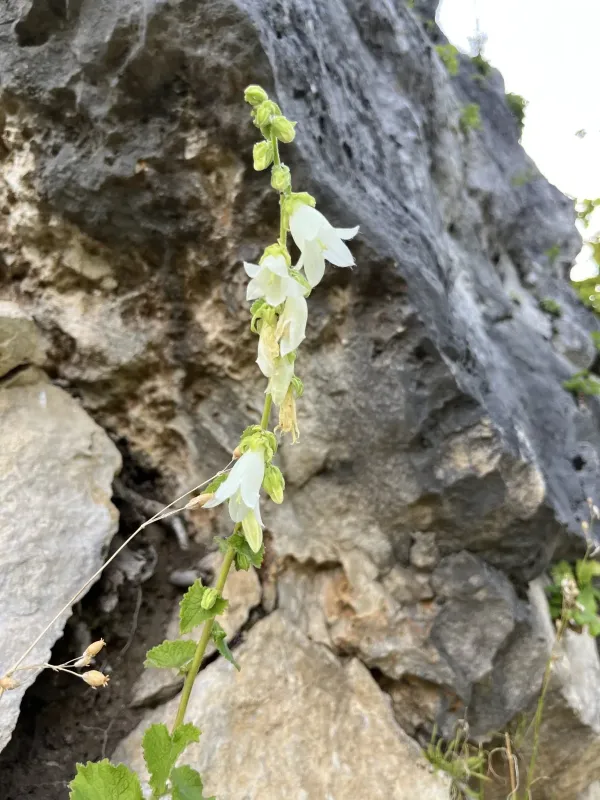
The garlic-leaved bellflower (Campanula alliariifolia) belongs to the Campanulaceae family. This perennial herb originates from the Caucasus and Turkey regions.
Propagation is typically achieved through seeds or division of the clumps. Seeds are sown in open ground during late autumn or in early spring once soil temperatures allow.
When starting indoors, seeds are surface-sown on light potting mix. Since they require light for germination, they should not be covered with a thick layer of substrate.
Division is performed every 3 to 5 years to maintain plant vigor. This process should be carried out in early spring or autumn to ensure successful establishment in the new location.
The plant demonstrates high adaptability and vigor. It often self-seeds, which makes it an excellent choice for naturalistic garden styles but requires monitoring to manage density.
Growing requirements
This species thrives in sunny to partially shaded locations. It prefers fertile, well-drained soil with a slightly alkaline to neutral pH level.
Watering should be consistent but careful. While the plant appreciates moisture, waterlogged soil can lead to rapid root decay, especially in heavier soil types.
Soil amendments like compost or well-rotted manure improve the structure and nutrient content, promoting healthier and more vibrant flowering throughout the summer season.
The plant is highly frost-hardy and can withstand significant winter temperatures without specialized protection, provided the site is well-drained.
During the peak growing season, regular weeding and loosening of the soil surface help improve oxygenation to the root system, which is crucial for optimal development.
Main diseases and pests
Common issues include fungal pathogens such as powdery mildew, which can appear in humid and poorly ventilated conditions. Prevention focuses on proper spacing.
Pests like slugs and snails are the most frequent threat to the foliage. Using physical barriers or bait helps manage the population without harming the plants.
Aphids might occasionally infest the flower stalks during warm weather. Systemic insecticides or natural horticultural oils can be effective in controlling these pests.
Root rot is a major threat if drainage is inadequate. Proper site preparation and amending the soil with grit or perlite can mitigate this risk significantly.
Integrated pest management and routine monitoring allow for early detection and treatment, ensuring the plant remains healthy throughout its multi-year life cycle.
Harvesting
The garlic-leaved bellflower is prized in horticulture for its elegant, bell-shaped flowers arranged in racemes, making it ideal for perennial borders and rock gardens.
For floral arrangements, stems are cut when the lower flowers begin to open. This allows the remaining buds to bloom indoors, extending the display period significantly.
Seed collection is performed as the seed pods turn dry and brownish. Harvesting should occur just before they rupture to ensure the maximum yield of viable seeds.
Post-flowering maintenance involves cutting back the spent stalks to the ground. This encourages a tidy appearance and potentially a secondary flush of light growth.
The plant's strong roots make it a valuable asset for soil stability in sloped garden areas, serving both aesthetic and functional purposes in landscaping.