
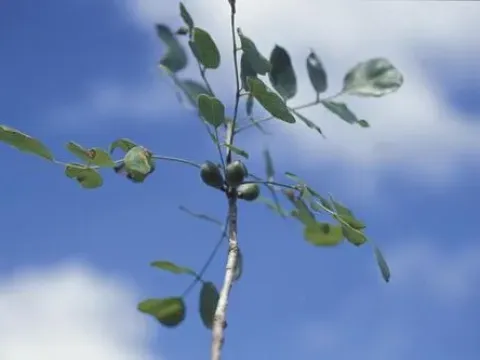
Commiphora pterocarpa
Commiphora pterocarpa
Commiphora pterocarpa is a woody plant belonging to the Burseraceae family, native to the arid landscapes of East Africa. It is highly specialized for survival in regions with scarce water resources.
What the section contains
Commiphora pterocarpa
The plant thrives in well-drained sandy or rocky soils, which are essential for preventing root rot, a common fatal issue for this species in non-native environments.
In terms of climate, it requires high levels of solar radiation and consistent warm temperatures. It enters a state of dormancy during cool periods, which must be respected to maintain its long-term health.
Cultivation requires minimal irrigation once the plants are established. Overwatering is the most frequent mistake in the management of this crop, leading to structural failures in the root system.
The economic value of this crop is centered on the production of specialized resins, which serve as foundational ingredients in global perfumery and traditional medicinal formulations.
The primary threats include fungal pathogens that flourish in environments with high humidity, significantly affecting the plant's bark and underground parts.
Insects that bore into the wood are considered major pests, as they disrupt the vascular flow and compromise the plant's ability to produce or store resins effectively.
Mites can also affect the foliage during periods of stagnant air, causing chlorosis and a decrease in photosynthetic efficiency, which in turn reduces the plant's growth rate.
Effective management strategies involve pruning infected branches immediately and ensuring that the planting density allows for adequate ventilation throughout the stand.
Implementing strict sanitation protocols during the resin extraction process is crucial to prevent the introduction of pathogens into the living tissue of the trees.