
Commiphora neglecta
Commiphora neglecta
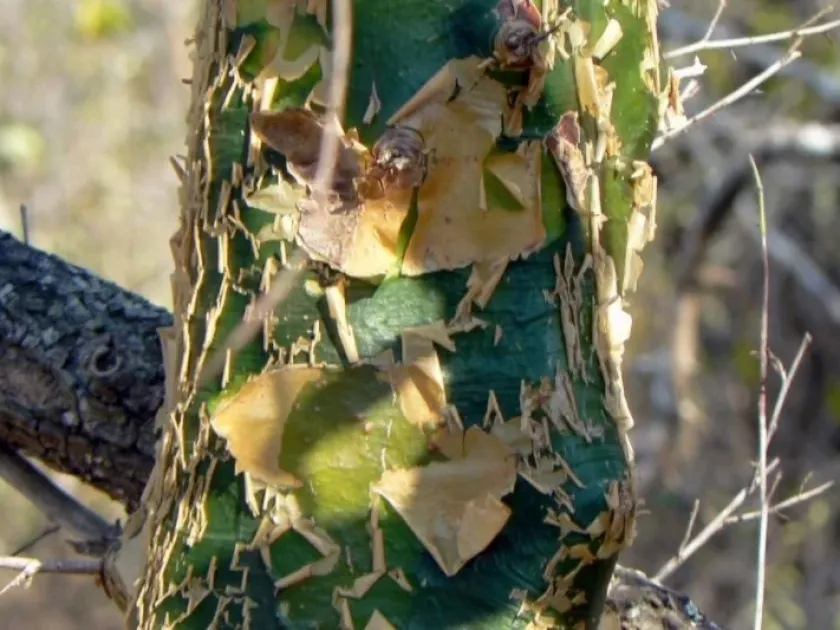
Description
Growing requirements
Commiphora neglecta is a woody plant species belonging to the Burseraceae family. It is naturally adapted to arid environments, primarily found in the dry regions of Eastern Africa, where it has evolved to thrive under harsh climatic stress.
The plant requires well-drained, sandy, or rocky soils for optimal growth. It is highly intolerant of waterlogged conditions, which can lead to rapid root rot and systemic failure of the plant, making soil aeration the primary concern for agronomists.
Regarding climate, this species demands high temperatures and a distinct dry season. It is exceptionally drought-resistant, allowing it to survive in areas where traditional agricultural crops cannot persist, making it an excellent candidate for semi-arid land utilization.
Full sun exposure is vital for Commiphora neglecta to maintain its metabolic functions. Shaded environments inhibit the synthesis of the resins and essential oils that make this crop commercially valuable, resulting in stunted development and poor yields.
Agronomic management involves minimal irrigation after the initial establishment phase. Once the root system is well-developed, the plant becomes largely self-sustaining, requiring only basic monitoring to ensure that no competitive weeds or pests interfere with its growth.
Yield
The primary economic output of Commiphora neglecta is its aromatic resin, which is harvested from the stems and branches. The secretion is triggered by careful scoring of the bark, a practice that requires precision to prevent long-term damage to the tree.
Yield productivity is correlated with the tree's age and the specific climatic conditions of the growing season. Mature trees in well-managed plantations provide a consistent supply of resin, which is a highly valued commodity in the global fragrance and pharmaceutical industries.
The chemical composition of the resin consists of complex terpenes and balsamic compounds. These substances act as excellent natural fixatives in perfume production, which ensures a steady demand and high economic return for high-quality resin harvests.
Harvesting is typically a manual labor-intensive process, which allows for selective collection and ensures the purity of the raw product. By employing standardized methods of extraction, producers can maintain the high standards required by industrial buyers.
In addition to resin, the tree provides woody biomass that can be utilized for various traditional applications. Ongoing research into the genetic selection of high-yielding variants aims to further improve the commercial potential of this resilient species.
Main diseases and pests
Fungal pathogens represent the most significant threat to the health of the plants, particularly when humidity levels rise unexpectedly. These infections often target the bark and incision sites, potentially hindering the secretion of the valuable resin.
Wood-boring insects are the most common pests associated with this species. They create galleries within the trunk, which not only causes direct structural damage but also creates pathways for secondary bacterial and fungal infections to enter the plant.
Regular sanitation of the plantation, including the removal of infected branches and careful treatment of harvest wounds, is crucial. Proactive management helps to contain the spread of pests and maintains the overall longevity of the orchard.
In areas where wildlife is abundant, herbivory can be a concern for young plants. Implementing physical barriers such as wire mesh or local protective enclosures is often necessary during the establishment phase to ensure the plants reach maturity.
Overall, maintaining plant health involves balancing soil nutrient levels and ensuring that trees are not overcrowded. Proper spacing allows for adequate ventilation, which naturally reduces the risk of moisture-related diseases and pest infestations.