
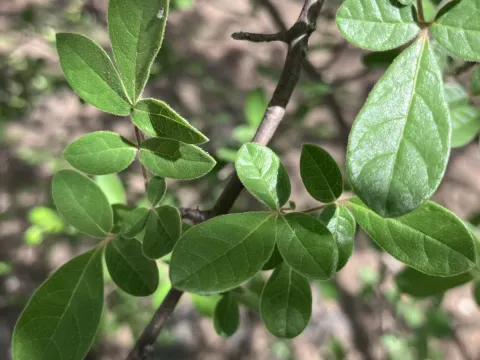
Commiphora mollis
Commiphora mollis
Commiphora mollis, a member of the Burseraceae family, is a deciduous tree native to the arid and semi-arid regions of Africa. It is highly valued for its ability to thrive in challenging environments characterized by prolonged dry seasons.
What the section contains
Commiphora mollis
The plant typically grows as a small tree or robust shrub reaching up to 8 meters in height. Its defining feature is the papery, peeling bark, which serves as a natural defense mechanism against intense heat and high solar radiation.
Successful cultivation requires well-drained sandy or rocky soil. The species is exceptionally drought-tolerant, meaning it requires minimal irrigation once established. Excess moisture is its greatest enemy, often causing fatal root rot issues.
Regarding climate, Commiphora mollis demands high light intensity and consistently warm temperatures. It lacks cold hardiness and must be protected from frost at all times to ensure healthy growth and successful resin accumulation.
Economic utility focuses on the exudates obtained from the tree's bark. These resins are utilized in the manufacturing of high-end perfumes, traditional medicinal preparations, and incense, making it a valuable crop for regional industries.
The primary threats to Commiphora mollis plantations are related to fungal pathogens that flourish under high humidity or waterlogged conditions. Preventing water accumulation at the base of the tree is essential for long-term health.
Insect pests, specifically scale insects and spider mites, pose significant challenges during the dry season. These pests feed on the plant sap, leading to stunted growth and reduced vigor in young trees.
Boring insects can damage the vascular system of the trunk, which not only stresses the tree but also interferes with the natural production and harvesting of the valuable resinous gum.
Integrated pest management (IPM) strategies, including the use of natural predators and biological insecticides, are recommended to maintain ecological balance and ensure high-quality output.
Regular maintenance, such as pruning dead or damaged branches, is crucial for improving air circulation within the canopy, which effectively reduces the risk of fungal outbreaks in the orchard.