
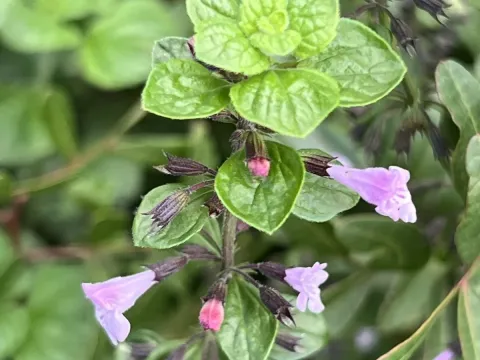
Calamint
Calamintha
Calamint seeds are primarily sown in the spring, during March or April, indoors or in greenhouses. Sowing should be done superficially, as the seeds require light to germinate effectively, and they should be lightly covered with a thin layer of vermiculite or sand.
What the section contains
Calamint
In regions with mild climates, direct sowing in open ground is possible in May, once the risk of frost has passed and the soil has warmed to 15-18 degrees Celsius. Maintaining consistent moisture in the substrate is crucial until the first shoots appear.
Seedlings are transplanted to their permanent location in late May or early June, maintaining an interval of 30-40 centimeters between plants. This spacing is necessary to ensure proper air circulation and to prevent moisture buildup in the root zone.
Vegetative propagation is also highly effective: through division of the shrub or cuttings. Cuttings are harvested in late spring or early summer and rooted in a light soil mix, which helps to preserve the varietal characteristics of the parent plant.
Autumn planting is only suitable for regions with very mild winters; in such cases, the plants require protective covering with evergreen boughs or mulch to survive the winter period without frost damage to the root system.
Calamint prefers open, sunny locations with plenty of light, although it can tolerate partial shade during the hottest hours of the day. As a member of the Lamiaceae family, the plant is highly adaptable to various soil types.
The plant thrives best in light, permeable, and well-drained loamy or sandy soils with a neutral or slightly alkaline pH. Excessive moisture and waterlogged soils are detrimental to this crop and should be avoided.
The plant exhibits moderate drought tolerance and does not require frequent watering; however, during the active growth phase and prolonged dry spells, regular irrigation significantly enhances the intensity of the leaf fragrance.
To maintain a dense shrub structure and stimulate flowering, it is recommended to apply complex mineral fertilizers at the beginning of the growing season. Excessive nitrogen leads to overgrown foliage at the expense of essential oil quality.
The winter hardiness of the species varies depending on the specific cultivar, but most varieties require light cover in northern regions. High-quality drainage is a vital requirement to prevent the rotting of the root collar during winter months.
The economic value of Calamint lies in the harvesting of its aromatic leaves for culinary use and in collecting flowering tops for medicinal purposes. The plant's productivity is directly dependent on light exposure and the regularity of pruning.
Large-scale harvesting of leaves typically begins just before or at the very onset of the flowering phase, when the essential oil concentration in the plant tissue reaches its peak. A well-tended shrub can produce several hundred grams of dry matter per season.
To increase yield, it is recommended to periodically prune the tips of the stems throughout the summer. This stimulates active branching of the plant, significantly increasing the total leaf surface area and the overall volume of harvestable material.
Calamint is an excellent honey plant that provides prolonged blooming, attracting a large number of beneficial pollinators to the garden. This indirectly contributes to higher productivity of neighboring crops within the agro-ecosystem.
With proper care, this perennial crop can grow productively in the same location for 4-5 years, after which rejuvenation of the beds or moving the plantation to a fresh area is necessary to maintain high harvest yields.
The primary threats to Calamint are fungal diseases caused by excessive soil moisture or poor aeration within the shrub. Powdery mildew is the most frequent issue, manifesting as a characteristic white coating on the leaves.
If water stagnates, root rot may develop, leading to rapid plant decline. Prevention relies on strictly adhering to irrigation schedules and using a loose, well-draining substrate to avoid waterlogging.
Pests such as aphids and spider mites may attack Calamint, especially during dry spells. Using biological pesticides and soap-based solutions helps control pest populations without compromising the quality of the plant material.
Nematodes can affect the root system, which shows as stunted growth and leaf yellowing. Crop rotation and removing infected specimens at the first signs of damage are essential methods for managing this threat.
Slugs and snails can damage young shoots in early spring. Installing barriers or mulching the soil surface with gravel helps protect young plants from mechanical damage and consumption by these pests.
Harvesting should be carried out in the morning hours, once the dew has evaporated, as essential oil content is highest at this time. Cut stems should be bundled into small bunches or laid out in thin layers to dry in shaded, well-ventilated areas.
For long-term storage, the dried material should be crumbled and placed in airtight glass containers. Storing in a dark, cool place preserves the fragrance and therapeutic properties of the herb for up to a year.
If seed collection is the goal, the flowering tops should be left on the plant until they turn brown. Afterward, they are cut, dried further in paper bags, and threshed to separate the seeds from the plant debris.
Autumn maintenance includes cutting back the aerial parts of the plant to about 5-10 centimeters above the soil level. This helps the plant prepare for the winter and prevents the development of infections in decaying tissues.
When using fresh leaves, they can be harvested as needed throughout the growing season. It is important not to cut more than one-third of the shrub at any one time to avoid exhausting the root system before winter dormancy.