
Commiphora socotrana
Commiphora socotrana
Description
Growing requirements
Commiphora socotrana is a distinct woody plant belonging to the Burseraceae family, native exclusively to the island of Socotra. This species is renowned for its succulent-like trunk, which acts as a vital storage organ, allowing the plant to thrive in the harsh, arid landscapes of its natural habitat.
The cultivation of this species requires strict adherence to environmental conditions that mirror its natural arid environment. The plant thrives in well-draining, rocky soils and requires full sun exposure to maintain its physiological health and structural integrity, especially in a greenhouse setting.
Agricultural management of Commiphora socotrana involves careful monitoring of irrigation levels, as the species is highly sensitive to waterlogging. Excessive moisture in the root zone is the primary cause of decline for this plant, necessitating the use of highly porous substrates with excellent drainage properties.
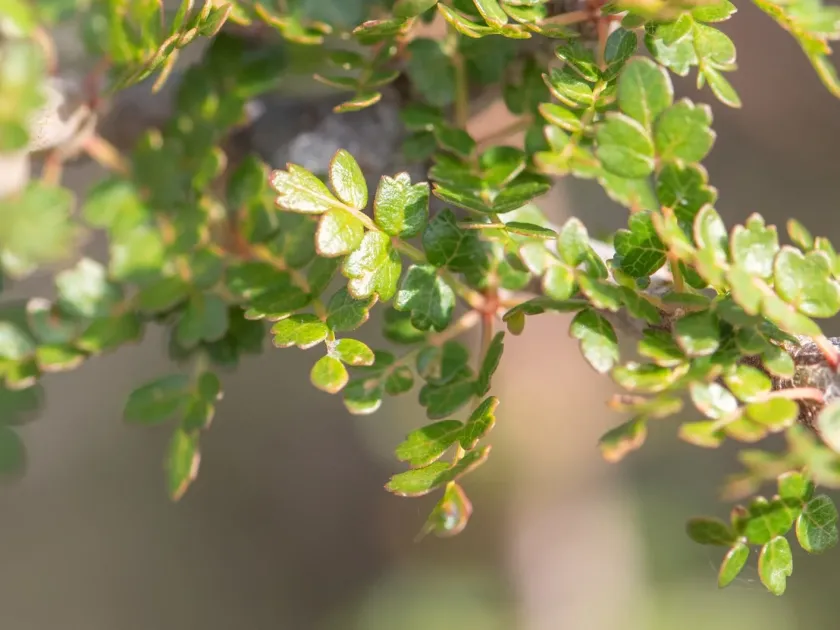
Botanically, the tree is slow-growing and exhibits adaptive features such as small, drought-deciduous leaves. The trunk often shows signs of exfoliating bark, which is a common characteristic among many species in the genus Commiphora, contributing to its unique aesthetic appeal.
Economically, this plant is primarily valued for its aromatic resin production, which has historically been utilized in traditional medicine and perfumery. Furthermore, the species holds significant scientific importance for studying plant adaptation to extreme environmental conditions on isolated islands.
Main diseases and pests
The most significant threats to Commiphora socotrana in cultivation are related to improper irrigation practices, specifically the risk of fungal root rot. Maintaining a dry environment during the plant's dormant period is essential to prevent tissue decay and promote longevity.
Common pests affecting this species include mealybugs and spider mites, which can proliferate in stagnant air conditions or during periods of low humidity. Integrated pest management, including regular inspection and the use of insecticidal soaps, is highly recommended to control these outbreaks.
Fungal infections can also impact the stems, especially if the plant is exposed to cool, humid conditions for an extended duration. Symptoms include softening of the succulent stems, which requires immediate corrective action by increasing temperature and airflow around the plant.
Mechanical injuries to the trunk provide entry points for pathogens and should be avoided during handling or transportation. Using sterile cutting tools for any necessary maintenance is crucial to prevent the transmission of infections from one part of the plant to another.
While the tree possesses a natural chemical defense system through its resinous exudates, environmental stress can compromise these defenses. Maintaining a consistent, warm, and well-ventilated environment remains the most effective strategy for ensuring the continued health of the species.