
Commiphora schimperi
Commiphora schimperi
Description
Growing requirements
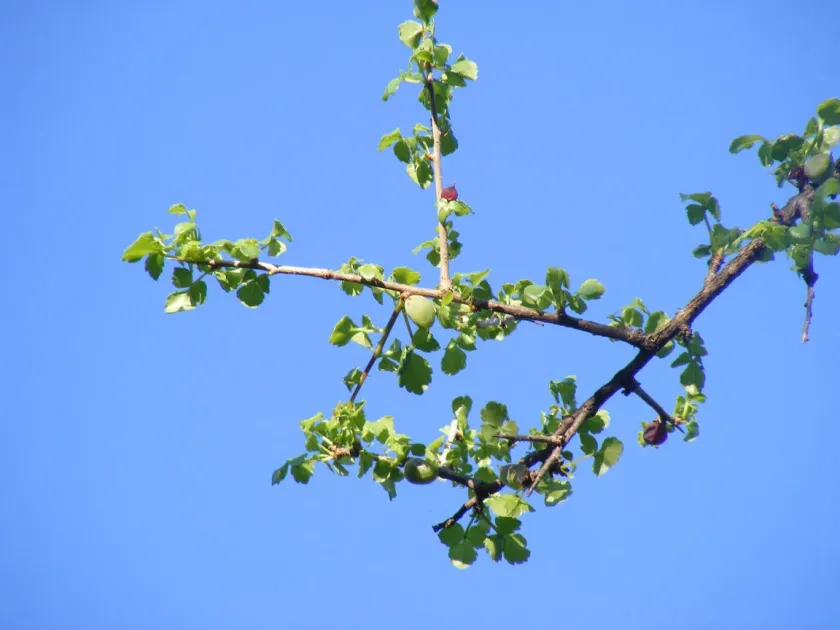
Commiphora schimperi is a significant species belonging to the Burseraceae family, widely known for its ability to produce aromatic resins. This woody plant typically grows as a shrub or a small tree, characterized by its peeling bark and thorns that serve as a defense mechanism against herbivores in arid environments.
Native to the Horn of Africa and parts of the Arabian Peninsula, this species is well-adapted to extreme heat and prolonged dry seasons. It thrives in savannah ecosystems and rocky slopes where other vegetation struggles to survive, making it an excellent candidate for semi-arid land rehabilitation projects.
Regarding soil requirements, Commiphora schimperi prefers well-drained, sandy, or rocky soils. It is highly intolerant of waterlogging, which can lead to root rot; therefore, selecting appropriate topography for cultivation is essential to maintain the health of the specimens and ensure high resin quality.
The plant exhibits remarkable physiological adaptations to water scarcity, including the capacity to enter dormancy to conserve moisture. Agronomically, ensuring full sun exposure is critical for the optimal development of the branches and the stimulation of resin secretion, which is the primary economic driver for the species.
The economic value of this tree is mainly centered on the collection of gum-resins used in incense, perfumery, and traditional medicine. Beyond commercial harvesting, the species serves as an important component of desert ecosystems, providing habitat and fodder for local fauna in its natural range.