
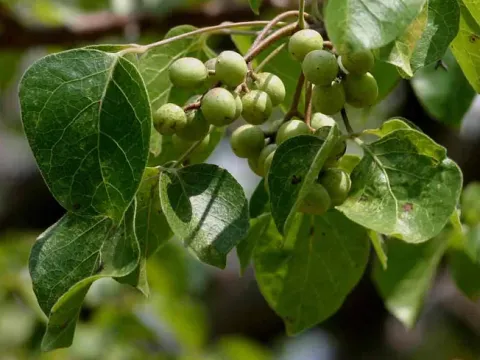
Commiphora mossambicensis
Commiphora mossambicensis
Propagation of Commiphora mossambicensis is typically achieved through seeds or stem cuttings, depending on the desired scale of cultivation. Seeds should be sown at the beginning of the rainy season, when the soil temperature remains consistently warm, providing the energy required for germination.
What the section contains
Commiphora mossambicensis
For seed sowing, use a well-draining substrate composed primarily of coarse sand and perlite to ensure optimal aeration. Proper soil preparation prevents the seeds from rotting, which is a common risk in tropical conditions where high humidity might otherwise lead to fungal issues.
Cuttings should be taken from woody stems to ensure a higher success rate in establishing new root systems. Treating the base of the cuttings with rooting hormones is a standard practice in commercial nurseries to accelerate the development of a healthy root structure before transplanting.
Maintaining a steady temperature of approximately 25 degrees Celsius is crucial during the initial stages of sowing. Once the seedlings emerge, they should be placed in a location with filtered light to protect them from direct, scorching sun rays during their vulnerable early growth phase.
Regular monitoring of moisture levels is essential, as the seedlings require consistent, though not excessive, hydration. As the root system expands, the frequency of watering should be gradually reduced to match the hardier nature of the mature plant, preparing it for its permanent environment.
Belonging to the Burseraceae family, Commiphora mossambicensis is a resilient woody plant native to the arid and semi-arid regions of Southeast Africa. It thrives in environments that offer high levels of solar radiation and sandy, rocky soils with excellent drainage capabilities.
The plant is highly sensitive to frost, requiring a frost-free climate year-round to maintain its physiological functions. In environments outside its native range, it must be grown in controlled conditions or greenhouses where temperatures remain strictly above the freezing point of water.
Watering management is key to successful cultivation; the species is adapted to survive prolonged dry spells, making it susceptible to root rot if overwatered. It is best to allow the substrate to dry out completely between irrigation sessions, effectively mimicking the natural drought cycles of its origin.
Light requirements are intense, as the plant is a dedicated heliophyte. Placing the tree in a shaded area will result in thin, elongated branches and poor overall health, highlighting the need for full-sun exposure to ensure a compact and robust growth form.
Soil nutrient requirements are relatively low, as the species has evolved to extract minerals efficiently from poor, rocky soils. Over-fertilization can actually be detrimental, potentially causing rapid but weak growth that makes the plant more susceptible to pest infestations and structural damage.
Root rot caused by Oomycetes and various soil-borne fungi is the primary threat to Commiphora mossambicensis, usually triggered by poor drainage or excessive soil moisture. Preventive measures include using high-quality porous soil and ensuring that the plant pot or planting site has adequate drainage holes.
Pests such as spider mites and scale insects are common in greenhouse environments where airflow might be restricted. Early detection through regular leaf inspection is crucial for effective control, as these pests can rapidly sap the plant's vitality if left untreated for long periods.
Physical trauma to the bark, often caused by improper pruning or maintenance activities, creates entry points for bacterial pathogens. Using sterile tools and applying sealing agents to any pruning wounds helps in maintaining the health and longevity of the woody structure.
Nematode infestations can occur in sandy soils, leading to stunted growth and reduced nutrient uptake. Implementing soil sterilization techniques in nursery settings is a common way to manage this risk and ensure that the plants get off to a healthy start without underground interference.
Environmental stress, particularly cold snaps or extreme fluctuations in humidity, can weaken the plant's natural immune response. A stable climate is the best defense against secondary infections, as it allows the tree to maintain its internal defenses at peak levels throughout the year.