
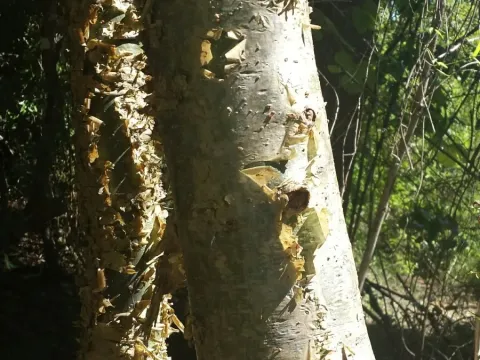
Commiphora simplicifolia
Commiphora simplicifolia
Commiphora simplicifolia is a distinct woody shrub species belonging to the Burseraceae family. Native to the arid landscapes of East Africa, this plant has evolved to thrive in environments characterized by limited rainfall and high solar radiation.
What the section contains
Commiphora simplicifolia
The cultivation of this species necessitates a climate that mirrors its native habitat, specifically requiring high heat and arid conditions. It is physiologically adapted to periods of prolonged drought and does not tolerate humid or waterlogged environments.
Soil composition is critical for the success of this crop; it requires well-draining, sandy, or rocky substrates. Poor drainage leading to water retention will inevitably cause root asphyxiation and promote the colonization of soil-borne pathogens.
Botanically, the plant is distinguished by its simple leaves, a feature that sets it apart from many of its pinnate-leaved relatives within the Commiphora genus. Its structure allows it to maintain metabolic processes even during extreme environmental stress.
Agronomic management involves strictly controlled irrigation schedules. The plant exhibits a dormant phase, during which water application must be significantly reduced to prevent physiological damage and support the plant's natural life cycle.
The most significant threats to Commiphora simplicifolia in agricultural settings are fungal infections caused by over-irrigation. Proper drainage systems and careful monitoring of soil moisture content are essential to mitigate the risk of root rot.
While relatively resistant to many common agricultural pests, the plant can be susceptible to spider mites and scale insects in greenhouse environments. Integrated pest management strategies, focusing on environmental control and biological monitoring, are recommended.