
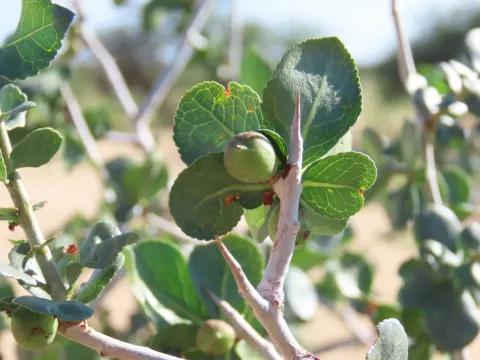
Commiphora pyracanthoides
Commiphora pyracanthoides
Commiphora pyracanthoides is a deciduous shrub or small tree belonging to the Burseraceae family. It is native to the dry woodlands and savannas of Southern Africa, where it has evolved to thrive in harsh, semi-arid environments with limited rainfall.
What the section contains
Commiphora pyracanthoides
The plant demands well-drained, sandy or stony soils to prevent root rot. It is highly drought-tolerant, utilizing its succulent-like tissue to store moisture, which allows it to survive in regions with intense seasonal aridity and high temperatures.
Optimal growth conditions require full sun exposure, as the species does not tolerate shade well. Temperature management is crucial; it must be kept in frost-free environments, as freezing temperatures cause severe damage to the plant's vascular system.
In terms of agrotechnology, the species requires minimal fertilization and very light irrigation. It is essential to replicate natural growth cycles, allowing the soil to dry out completely between watering intervals to ensure the longevity of the plant.
The plant is economically significant for its resin-producing capabilities, which are often harvested for essential oils and medicinal products. Furthermore, its hardy wood is highly valued in local craftsmanship for its durability and resistance to wood-boring insects.
The primary threat to Commiphora pyracanthoides in cultivation is root rot caused by improper soil drainage or over-irrigation. Pathogenic fungi thrive in waterlogged conditions, which quickly compromise the structural integrity of the plant's root system.
Pests such as mealybugs and spider mites are common in greenhouse environments, particularly when air circulation is restricted. Monitoring for infestation and maintaining appropriate humidity levels are vital strategies to protect the health of the plants.